


- Introduction
- What Is a Specification?
- Types of Specifications
- Why Specifications Matter
- How to Write an Effective Specification — Step by Step
- 1. Prepare: Identify Stakeholders and Goals
- 2. Define Scope and Context
- 3. Create a Glossary and References
- 4. Capture Functional Requirements
- 5. Specify Non-Functional Requirements (NFRs)
- 6. Define Interfaces and Data Contracts
- 7. Add Acceptance Criteria and Test Cases
- 8. Capture Constraints and Compliance
- 9. Review and Validate with Stakeholders
- 10. Version and Govern
- Practical Templates and Examples
- Minimal SRS Template (Software)
- Product Spec Example (Consumer Hardware)
- Procurement Specification Snippet
- Best Practices and Writing Tips
- Common Pitfalls and How to Avoid Them
- Tools and Workflows for Managing Specifications
- Case Studies
- Specification Templates and Checklists (Copy-Ready)
- Governance: How to Keep Specifications Current
- Legal, Compliance, and Security Considerations
- Measuring Specification Quality
- SEO & Linking Recommendations
- Accessibility, Images, and Schema Suggestions
- FAQ (Optimized for Voice and Featured Snippets)
- What is the difference between a requirement and a specification?
- How detailed should a specification be?
- When should you use an SRS vs. a tech spec?
- Who should write the specification?
- How do you handle changing requirements?
- Conclusion
Specifications: A Complete Guide to Writing, Using, and Managing Technical Specifications
Quick takeaway: Specifications are structured documents that define what a product, system, or service must do and how it must perform. When done well, they align stakeholders, reduce rework, and speed delivery; when done poorly, they cause scope creep, defects, and missed expectations. This guide explains types of specifications, step-by-step methods for writing them, practical templates, real-world examples, and best practices for maintenance and governance.
—
Introduction
Specifications are the foundation of predictable, high-quality outcomes in engineering, product development, construction, procurement, and many other domains. Whether you’re drafting a software requirements document, a product spec for hardware, or a standards specification for procurement, the goal is the same: translate stakeholder needs into clear, verifiable, and actionable requirements.
In this article, you’ll learn why specifications matter, the primary types and formats, how to write effective specifications step-by-step, templates and checklists you can use immediately, common pitfalls to avoid, and governance practices to keep specs current and useful. Practical examples and brief case studies show how strong specifications reduce risk and accelerate delivery.
—

What Is a Specification?
A specification is a formal description of the characteristics, behaviors, constraints, interfaces, acceptance criteria, and performance required for a product, service, or system. It converts stakeholder goals into measurable and testable statements.
Core Elements of a Specification
– Scope and purpose — what is being specified and why
- Definitions and terminology — unambiguous glossary
- Functional requirements — what the system must do
- Non-functional requirements — performance, security, reliability, usability, compliance
- Interfaces — APIs, protocols, physical connectors
- Constraints — materials, standards, budgets, timeline
- Acceptance criteria and test cases — how to verify compliance
- Change and version control — how updates are managed
- Software requirements specifications (SRS): detail functional and non-functional software requirements and interfaces.
- Technical specifications (tech specs): architecture-level decisions, protocols, algorithms, and data models.
- System specifications: high-level systems integration, interfaces, and performance targets across components.
- Procurement/specification standards: legal and compliance-focused specs used for purchasing and regulatory conformity.
- Engineering drawings and bills of materials (BOM): precise dimensions, tolerances, materials for manufacturing.
- Mid-level (system) specifications — components, interfaces, and interactions.
- Low-level (detailed) specifications — exact algorithms, file formats, electrical tolerances.
- Alignment: clarifies scope and expectations across teams (product, engineering, QA, operations, procurement).
- Risk reduction: exposes constraints and trade-offs early, enabling mitigation planning.
- Testability: allows objective acceptance criteria and easier verification.
- Reusability: well-structured specs can be reused across projects and products.
- Traceability: requirements mapped to design, code, tests, and documentation improve audits and compliance.
- Purpose and scope
- Definitions and abbreviations
- Overall description (users, constraints, assumptions)
- Functional requirements (numbered list with acceptance criteria)
- Non-functional requirements (performance, security, usability, reliability)
- Interfaces and APIs (endpoints, methods, sample payloads)
- Data model (ER diagrams or schema)
- Test plan summary
- Appendix: references and glossary
- Be verifiable: every requirement must be testable or measurable.
- Use unambiguous language: avoid “may,” “should,” or “best effort.” Prefer “shall” or “must” with clear metrics.
- Keep it atomic: one requirement = one behavior to test.
- Prioritize requirements: must-have, should-have, could-have, won’t-have (MoSCoW).
- Use templates and checklists consistently across projects.
- Include examples and edge cases to clarify intent.
- Link requirements to design artifacts, user stories, and tests for traceability.
- Write for the intended reader: different audiences need different views (executive summary vs. engineering detail).
- Ambiguity — ambiguity creates rework. Solve with precise language and examples.
- Over-specifying implementation — avoid dictating implementation unless necessary; focus on what not how.
- Missing acceptance criteria — without them, QA cannot objectively test requirements.
- Outdated specs — enforce versioning and scheduled reviews.
- Stakeholder misalignment — use structured reviews and sign-offs.
- Structured spec tools: Confluence, Notion, GitHub/GitLab wikis
- Requirements management tools: Jama, DOORS, Jira (with requirement plugins)
- Use test management tools (TestRail, Zephyr) to connect acceptance criteria to test cases
- Keep a requirements-to-code trace via commit messages or tags when possible
- Scope and objectives
- Stakeholders and approvers
- Glossary and references
- Functional requirements (numbered)
- Non-functional requirements (quantified)
- Interfaces and data contracts
- Acceptance criteria/test cases
- Constraints, assumptions, and dependencies
- Change control and version history
- Requirement statement
- Acceptance criteria (Given / When / Then format)
- Test cases (unit/integration/e2e)
- Responsible parties
- Assign an owner responsible for the spec’s accuracy.
- Define review cadence (e.g., quarterly or at each major milestone).
- Require change requests for modifications with impact analysis.
- Use semantic versioning for breaking vs. non-breaking changes.
- Archive obsolete specs but maintain clear links to successors.
- Include compliance requirements as explicit constraints (e.g., GDPR, HIPAA, CE marking).
- Specify security controls, encryption standards, and data residency requirements.
- Document third-party dependencies and licensing requirements.
- Coordinate with legal and security teams early in the spec process.
- Requirement defect rate — number of defects traced to ambiguous or missing requirements.
- Change frequency — how often requirements are changed after sign-off.
- Time to approval — speed of stakeholder sign-offs.
- Traceability coverage — percentage of requirements linked to tests and code.
- Product development — link to your product development process page
- Requirements template — link to a downloadable SRS template
- QA test plans — link to test planning resources
- ISO standards pages (https://www.iso.org) — for referencing formal standards
- OWASP Top Ten (https://owasp.org) — for security requirement guidance
- W3C WCAG guidelines (https://www.w3.org/WAI/standards-guidelines/wcag) — for accessibility requirements
- “Specification document template with sections highlighted”
- “Flow diagram showing requirements-to-test traceability”
- “Table illustrating functional vs non-functional requirements”
—
Types of Specifications
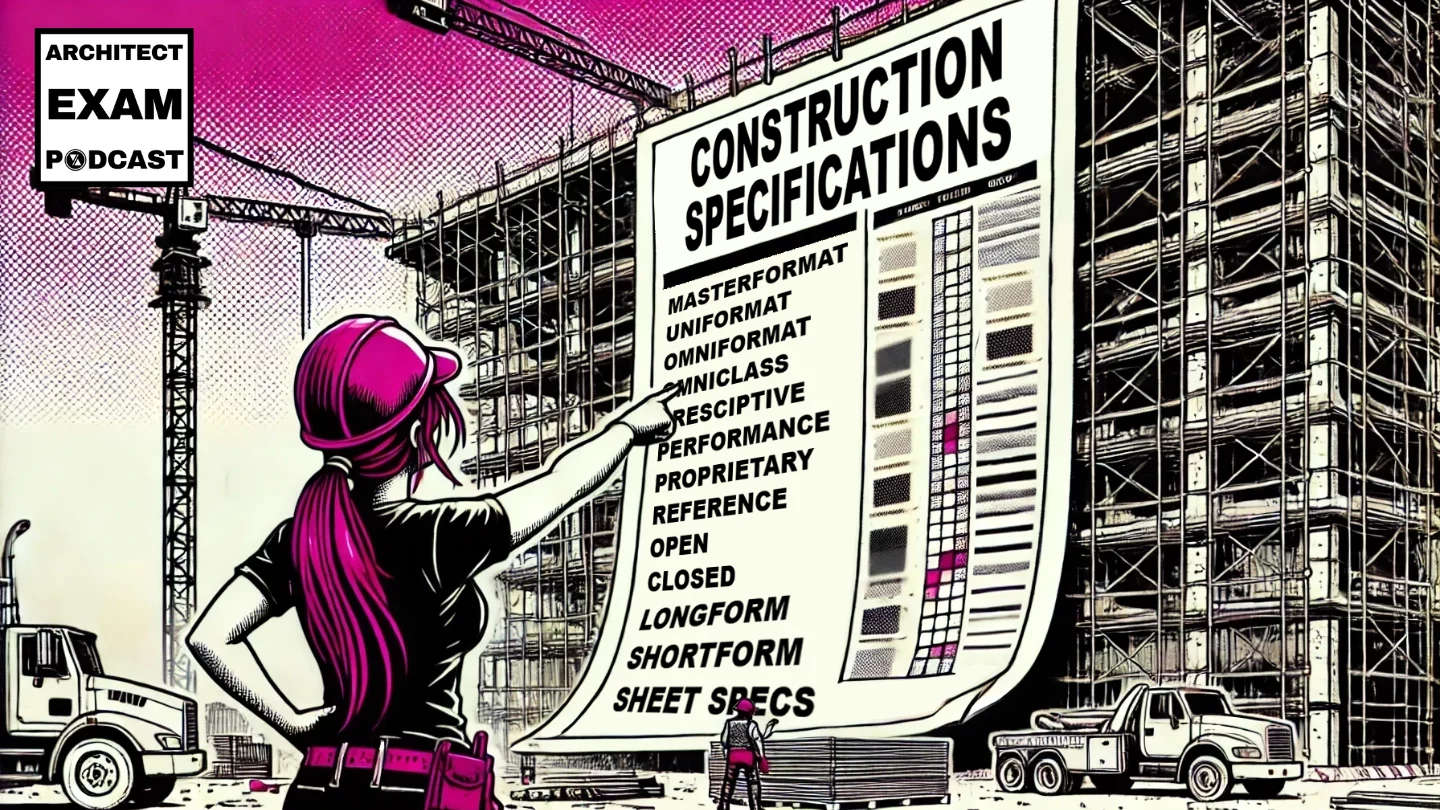
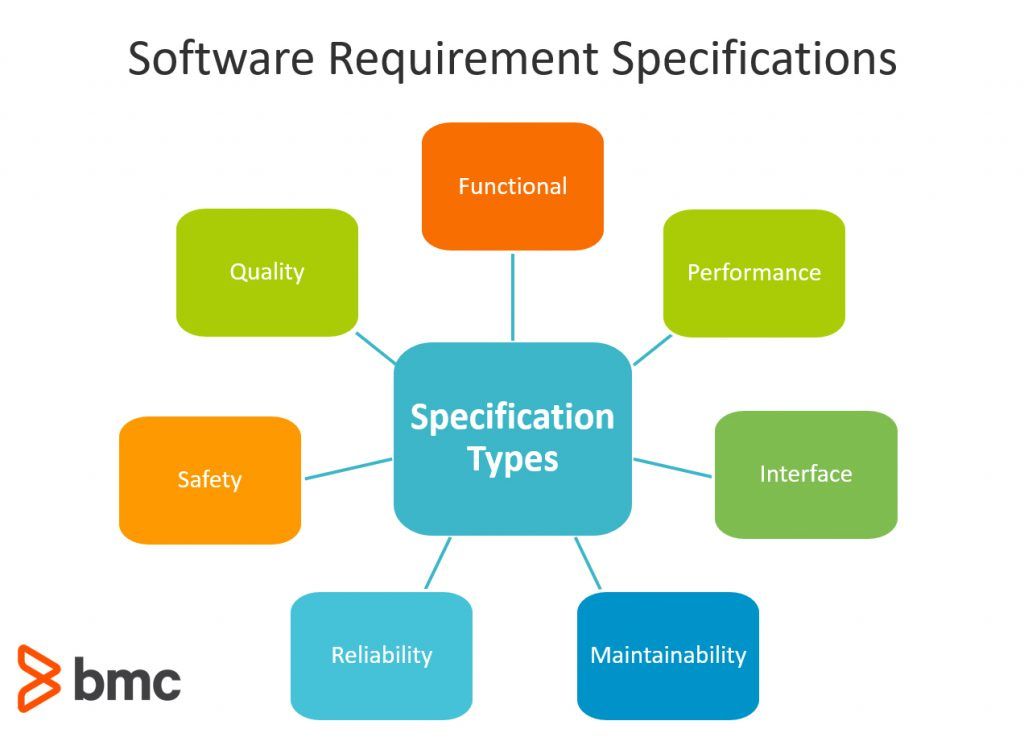
Specifications differ by domain and level of detail. Choosing the right type influences clarity and usefulness.
By Discipline
– Product specifications (product specs): describe features, UX, materials, tolerances, and manufacturing constraints.

By Abstraction Level
– High-level (conceptual) specifications — goals, stakeholder needs, business context.
—
Why Specifications Matter
Specifications provide a single source of truth. The benefits include:
—
How to Write an Effective Specification — Step by Step
Effective specifications are clear, concise, verifiable, and stakeholder-aligned. Follow these steps to create one:
1. Prepare: Identify Stakeholders and Goals
List stakeholders (users, business owners, engineers, QA, legal, procurement). Capture business goals, success metrics, constraints, and timeline. Conduct brief discovery interviews and collect existing artifacts (user research, regulatory requirements, previous specs).
2. Define Scope and Context
Write a short scope statement: what is included, what is explicitly out of scope, and key dependencies. Include diagrams showing boundaries where helpful.
3. Create a Glossary and References
Define domain-specific terms and include links to reference documents, standards, and APIs. Clarity here prevents misinterpretation.
4. Capture Functional Requirements
Use user stories, use cases, or requirement statements. Each requirement should be atomic and testable. Use the format: “The system shall [action] [object] [conditions] [acceptance criteria].”
5. Specify Non-Functional Requirements (NFRs)
Quantify NFRs where possible: performance (response time < 200ms at 95th percentile), availability (99.95% uptime), security (OWASP Top 10 mitigation), scalability (support X concurrent users), accessibility (WCAG 2.1 AA).
6. Define Interfaces and Data Contracts
Document APIs, payload schemas, message formats, and error handling. Provide examples and versioning strategy for breaking changes.
7. Add Acceptance Criteria and Test Cases
For each requirement, include one or more acceptance criteria and suggested test cases (unit, integration, end-to-end). Specify expected inputs and outputs.
8. Capture Constraints and Compliance
List materials, legal/regulatory requirements, environmental constraints, budgets, and timelines. If standards apply (ISO, IEEE, GDPR), cite them explicitly.
9. Review and Validate with Stakeholders
Circulate the draft, run walkthroughs, and resolve ambiguous items. Use structured review checklists and track feedback using issues or comments linked to specific requirements.
10. Version and Govern
Assign a version number, author, date, and change log. Define change request flows, approval gates, and archival policies.
—
Practical Templates and Examples
Below are ready-to-use templates and examples for common scenarios.
Minimal SRS Template (Software)
1. Title, version, author, date
Product Spec Example (Consumer Hardware)
Include market context, persona, target price, BOM summary, mechanical drawings, electrical requirements, thermal and reliability targets, certification needs (e.g., CE, FCC), manufacturing tolerances, packaging and labeling, acceptance test plan, and supplier requirements.
Procurement Specification Snippet
| Item | Requirement | Verification |
|——|————-|————–|
| Power Supply | Rated 12 V DC ±5%, 2 A continuous, IEC 62368-1 | Certificate of compliance, lab test report |
| Operating Temp | -10°C to 50°C | Environmental chamber test report |
| Warranty | Minimum 24 months on-site | Contract clause and warranty certificate |
—
Best Practices and Writing Tips
Follow these rules to make your specs usable and resilient:
—
Common Pitfalls and How to Avoid Them
Weak specifications often lead to problems. Watch for these common issues:
—
Tools and Workflows for Managing Specifications
Select the right tools to create, review, and maintain specs efficiently.
Authoring and Collaboration
– Document editors: Google Docs, Microsoft Word (with tracked changes)
Traceability and Test Integration
– Link requirements to user stories and tasks in Jira or Azure DevOps
Version Control and CI/CD
For technical specs and API contracts, use Git for version control. Include schema or OpenAPI definitions in code repositories. Integrate contract validation and automated tests into CI pipelines to enforce specified behaviors.
—
Case Studies
Case Study 1: Reducing Rework in a SaaS Product Launch
A mid-sized SaaS company experienced frequent feature rework because product goals were described only in high-level tickets. They introduced a lightweight SRS template including acceptance tests and API contracts. As a result, development rework dropped by 40% and time-to-first-release shortened by 25% over two releases.
Case Study 2: Manufacturing Yield Improvement
An electronics OEM tightened mechanical tolerances and added formal acceptance tests to the product specification. By clarifying test fixtures and pass/fail criteria in the spec, supplier quality defects dropped 60% during first assembly trials, saving significant remediation costs.
—
Specification Templates and Checklists (Copy-Ready)
Minimal Specification Checklist
– Title, owner, version, date
Acceptance Criteria Template (Per Requirement)
1. Requirement ID
—
Governance: How to Keep Specifications Current
Specifications are living artifacts. Implement governance to prevent drift:
—
Legal, Compliance, and Security Considerations
Specifications often intersect with regulatory and security obligations. Best practices include:
—
Measuring Specification Quality
Track metrics to ensure specs add value:
—
SEO & Linking Recommendations
Internal linking suggestions (anchor text):
Authoritative external links to cite and reference (open in new window):
—
Accessibility, Images, and Schema Suggestions
Image alt text suggestions:
Schema markup recommendation (JSON-LD): Include Article schema with headline, author, datePublished, description, and mainEntity to improve search results visibility.
—
FAQ (Optimized for Voice and Featured Snippets)
What is the difference between a requirement and a specification?
A requirement is a statement of need or capability. A specification is a detailed, structured document that translates requirements into verifiable and actionable statements including acceptance criteria and constraints.
How detailed should a specification be?
Detail should be sufficient for the intended audience to design, build, and test the deliverable without guesswork. High-level specs are fine early on; incrementally add detail as decisions are made. All critical requirements must be testable.
When should you use an SRS vs. a tech spec?
Use an SRS to capture functional and non-functional requirements from a user/business perspective. Use a tech spec to describe architecture, implementation details, and technical decisions. The SRS defines what the system should do; the tech spec defines how it will be built.
Who should write the specification?
The specification should be written collaboratively. Product managers typically own the SRS, while engineers and architects own tech specs. All stakeholders should review and approve the final document.
How do you handle changing requirements?
Implement a formal change control process. Each change request should include impact analysis (cost, timeline, risk), and only approved changes should be incorporated with version updates.
—
Conclusion
Specifications are not bureaucratic overhead—they are strategic tools that align teams, reduce risk, and accelerate delivery. By choosing the right type of spec, writing clear and verifiable requirements, using templates and checklists, and implementing sound governance, you can turn specifications into a competitive advantage.
Start small: pick one project, apply the templates and practices in this guide, and measure the impact. You’ll likely find that better specifications lead to better outcomes—faster, cheaper, and with fewer surprises.