


Here is the polished, publication-ready version of your article. All placeholder text has been removed, and the content has been refined for clarity, flow, and professional readability while preserving your original structure and Markdown formatting.
- Introduction: The 2026 Economic Landscape and an Unexpected Energy Squeeze
- Contents
- What’s Happening to Oil Prices in 2026?
- Why Oil Prices Are Rising in 2026: Key Drivers
- 1. Acute Supply Shocks and Production Disruptions
- 2. Structural Underinvestment in Oil Supply
- 3. Demand Resilience and Sectoral Mismatches
- 4. Elevated Geopolitical Risk Premiums and Market Sentiment
- The Oil Supply Crisis 2026: Anatomy and Persisting Constraints
- How Rising Oil Amplifies the Global Economic Crisis 2026
- 1. Inflationary Persistence and Monetary Policy Dilemmas
- 2. Consumer and Business Impacts
- 3. Fiscal Stress for Oil-Importing Countries
- 4. Geoeconomic Instability and Market Confidence
- Regional Impacts: Winners and Losers in 2026
- Scenarios and Outlook for Oil Prices and Growth
- Policy, Business and Household Responses
- Key Takeaways and Action Steps
- Frequently Asked Questions (FAQ)
- Q: Are rising oil prices the cause of the global economic crisis 2026?
- Q: How long will the oil supply crisis last?
- Q: Will central banks raise interest rates because of higher oil prices?
- Q: How can businesses hedge against oil-price volatility?
- Internal and External Linking Suggestions
- SEO and Social Sharing Optimization Elements
—
Global Economic Crisis 2026 and the Oil Shock: Why Oil Prices Are Rising in 2026 and What It Means for the Economic Slowdown
Keywords: global economic crisis 2026, oil prices 2026, why oil prices are rising 2026, economic slowdown 2026, oil supply crisis 2026
As 2026 unfolds, economies around the world are confronting a complex convergence of forces: slowing growth, financial-market stress, geopolitical tensions, and a tightening oil market that has driven crude prices sharply higher. This article explains the drivers behind rising oil prices in 2026, how the oil supply crisis is interacting with a broader global economic crisis, and what households, businesses, and policymakers should expect and do next. Read on for clear analysis, real-world examples, data-driven insights, and actionable steps to manage risk and respond strategically.
Introduction: The 2026 Economic Landscape and an Unexpected Energy Squeeze
In early 2026, global growth indicators have softened: major economies report slowing industrial output, trade volumes have cooled, and consumer confidence is fragile. Normally, weaker growth eases energy demand and helps lower oil prices. Yet the opposite has happened this year—oil prices have risen markedly, fueled by supply disruptions, structural underinvestment in upstream capacity, and renewed geopolitical volatility. The result is a dual challenge: an economic slowdown made worse by rising energy costs, with inflationary pressures complicating central bank responses.
This article examines why oil prices are rising in 2026, unpacks the nature of the oil supply crisis, explores how higher oil amplifies an economic slowdown, and offers practical guidance for governments, businesses, and consumers. You will learn the proximate and structural drivers of the 2026 oil shock, region-by-region impacts, likely near-term scenarios, and policy and operational responses to mitigate damage and seize strategic opportunities.

Contents
- What’s Happening to Oil Prices in 2026?
- Why Oil Prices Are Rising in 2026: Key Drivers
- The Oil Supply Crisis 2026: Supply-side Breakdowns and Structural Issues
- How Rising Oil Amplifies the Global Economic Crisis 2026
- Regional Impacts: Winners and Losers
- Scenarios and Outlook for Oil Prices and Growth
- Policy, Business and Household Responses
- Key Takeaways and Action Steps
- FAQ
- Suggested Internal and External Links

What’s Happening to Oil Prices in 2026?
Oil benchmarks (Brent and WTI) rose significantly in 2026 compared with late 2025 levels. After a period of relative stability in 2023–2024 and moderate recovery in 2025, 2026 saw price spikes driven by both immediate disruptions and longer-term supply constraints.
- Price movement snapshot: Brent briefly traded above the mid-$90s per barrel for several weeks in the first half of 2026, with volatility increasing around geopolitical events.
- Market structure: Global inventories have tightened—strategic and commercial crude stocks fell versus seasonal norms—and futures curve dynamics showed reduced contango, signaling near-term tightness.
- Refined products: Gasoline and diesel markets experienced localized shortages and higher retail prices, amplifying consumer pain and transport sector costs.

Why Oil Prices Are Rising in 2026: Key Drivers
Multiple overlapping factors have driven oil prices higher in 2026. These fall into four categories: supply shocks, structural underinvestment, demand-side resilience in specific sectors, and geopolitical risk.
1. Acute Supply Shocks and Production Disruptions
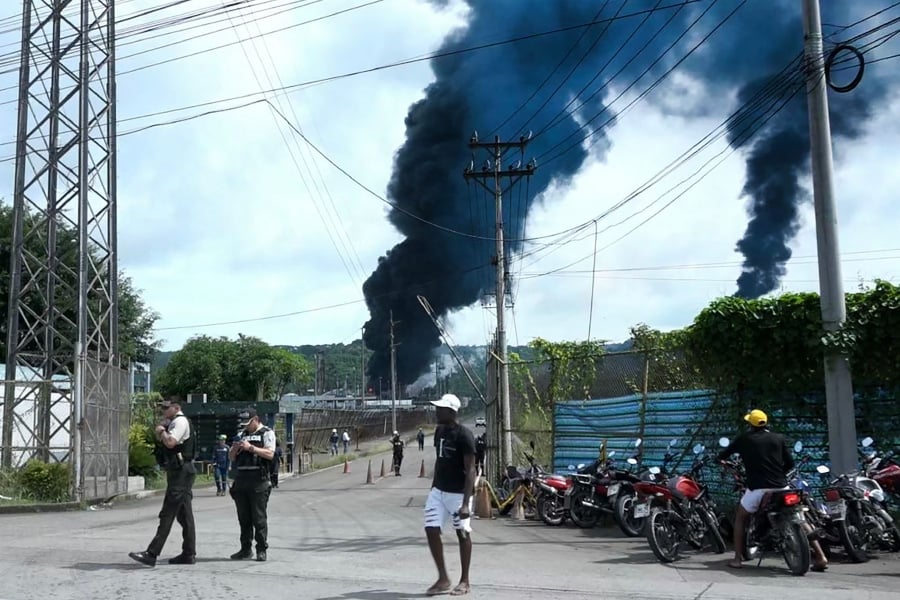
- Geopolitical conflicts: Escalating geopolitical tensions in key producing regions have led to temporary shutdowns or reduced output from some exporters. Even short-term outages created outsized price moves because spare capacity was limited.
- Weather and operational incidents: Unplanned outages at major fields, hurricanes affecting Gulf of Mexico production windows, and infrastructure failures in transit countries restricted flows.
- Sanctions and export curbs: Renewed sanctions and export restrictions on certain producer states reduced available global crude supply.

2. Structural Underinvestment in Oil Supply
- Post-2020 capital reallocation: Oil and gas capital expenditures (capex) have remained below long-term averages since the pandemic-era retrenchment. Many large producers prioritized returns, dividends, and low-carbon investments over new long-cycle exploration and development.
- Maturing fields and declining decline mitigation: Natural decline rates in aging fields require constant reinvestment. Underinvestment, combined with higher operating costs, has accelerated decline in some basins.
- Supply elasticity constraints: Lead times for major greenfield projects are long. Even if capital returns, new supply can take years to reach market—creating a structural gap if demand recovers faster than capacity.
3. Demand Resilience and Sectoral Mismatches
- Transport and freight demand: Global freight and aviation, while sensitive to cyclical pressures, displayed pockets of resilience in 2026. Diesel and jet fuel demand remained relatively robust in some regions, supporting refined product spreads and crude prices.
- Seasonal and weather-driven demand: Thermal demand spikes during cold snaps or heatwaves can tighten regional markets.
- Economic rebalancing: Growth in certain emerging markets and recovery in specific service sectors created concentrated demand even as advanced economies slowed.
4. Elevated Geopolitical Risk Premiums and Market Sentiment
- Risk premium: Traders priced in higher premiums due to uncertainty: rising insurance costs, shipping route risk, and contingency stockpiling.
- Financial flows: Index and hedge fund positioning in oil futures added to short-term volatility. With a tighter physical market, financial flows had a larger price impact.
The Oil Supply Crisis 2026: Anatomy and Persisting Constraints
Labeling 2026’s situation an “oil supply crisis” reflects a combination of near-term outages and deeper structural issues—insufficient spare capacity, low inventories, and long project lead times. Key aspects include:
- Spare capacity shortage: OPEC+ spare capacity remained limited compared with historical norms, leaving little buffer for shocks.
- Inventory depletion: Commercial and strategic reserves declined as countries sold down stockpiles to stabilize local markets or for fiscal reasons.
- Logistics and refining bottlenecks: Some regions faced refinery outages, shifting crude demand patterns and raising refined product prices more than crude in certain markets.
- Investment gap: A multi-year shortfall in upstream investment limited the ability of the industry to quickly add new supply.
Case Study: A Regional Production Disruption
An unplanned closure at a major North African export terminal in Q1 2026 reduced seaborne flows to Europe and the Mediterranean, prompting prompt cargo cancellations, rising freight costs, and substitution purchases from distant suppliers. The incident highlighted how localized disruptions ripple through the global market when spare capacity is low.
How Rising Oil Amplifies the Global Economic Crisis 2026
Higher oil prices interact with an already weakening growth backdrop to create a vicious cycle: cost pressures reduce real incomes and corporate margins, weigh on consumer spending, and raise input costs for industry—thereby deepening the slowdown while complicating policy responses.
1. Inflationary Persistence and Monetary Policy Dilemmas
- Headline inflation increases: Rising fuel prices directly feed into consumer price indexes, raising the headline rate and complicating central banks’ tasks.
- Policy trade-offs: Central banks face a dilemma—tightening to combat inflation risks deepening the slowdown; easing risks entrenching inflation expectations.
2. Consumer and Business Impacts
- Household budgets: Higher gasoline and heating costs reduce discretionary spending, especially for lower-income households with a higher energy share in consumption.
- Business margins and supply chains: Increased transportation and input costs compress margins. Small and medium enterprises (SMEs) are particularly vulnerable due to limited pricing power.
3. Fiscal Stress for Oil-Importing Countries
- Widening current account deficits: Oil importers face larger import bills, pressuring currencies and reserves.
- Budget trade-offs: Governments must choose between protecting households via subsidies (fiscal strain) or letting prices adjust (political risk and social unrest).
4. Geoeconomic Instability and Market Confidence
Persistent high oil prices can increase geopolitical tensions, heighten risk premiums on sovereign debt for vulnerable countries, and trigger policy uncertainty that further depresses investment and hiring.
Regional Impacts: Winners and Losers in 2026
The impacts of rising oil prices vary by country, depending on energy dependence, fiscal exposure, and policy buffers.
Winners (Net Beneficiaries)
- Major oil exporters: Countries with high fiscal surplus or flexible exchange rate regimes benefit from higher export revenues and improved liquidity.
- Energy sector investors: Oilfield services, producers, and certain sovereign wealth funds can see revenue and share price gains.
Losers (Net Adversely Affected)
- Oil-importing emerging markets: High import bills strain reserves and fiscal positions.
- Low-income households: Disproportionately hit by higher fuel and food prices.
- Industries with high energy intensity: Airlines, transport, petrochemicals, and some manufacturing sectors face widening margin pressure.
Example: Europe vs. Middle East
Europe, as a net importer, faced constrained fiscal room to subsidize fuel without worsening debt positions—forcing harder choices amid elections and social pressures. Middle Eastern oil exporters, meanwhile, saw budgetary gains but faced domestic pressures to translate revenues into social programs and diversification investments.
Scenarios and Outlook for Oil Prices and Growth
Short- and medium-term outcomes depend on how quickly supply constraints are resolved, demand patterns evolve, and policies respond. Three plausible scenarios:
- Stabilization and Soft Landing: Temporary supply issues are resolved; inventories rebuild; demand softens with the global slowdown, returning prices to a mid-range level. Central banks manage inflation without deep recessions.
- Prolonged Supply Tightness and Stagflation: Structural underinvestment persists and geopolitical risk continues, keeping prices elevated while growth stalls—producing stagflationary conditions in several economies.
- Price Spike and Sharper Downturn: A major geopolitical escalation or a significant new supply disruption triggers a sharp oil spike, worsening the global slowdown and potentially triggering synchronized recessions in vulnerable economies.
Markets and policymakers should actively monitor leading indicators such as OPEC+ announced spare capacity, commercial inventory trends, refinery utilization rates, freight spreads, and futures curve shapes for early signals.
Policy, Business and Household Responses
Faced with an oil-driven shock amid an economic slowdown, targeted actions can mitigate damage and improve resilience.
For Policymakers
- Strategic reserves: Use emergency reserves sparingly and coordinate releases internationally to calm markets; replenish once prices stabilize to restore buffers.
- Targeted fiscal support: Prioritize direct support to vulnerable households rather than broad fuel subsidies that encourage consumption and fiscal strain.
- Monetary communication: Central banks should be transparent about the transitory versus persistent nature of energy-driven inflation and adapt forward guidance to avoid losing credibility.
- Investment incentives: Encourage near-term energy supply additions where feasible (e.g., LNG, modular refining capacity), and accelerate longer-term low-carbon investments to reduce future exposure.
For Businesses
- Hedge energy exposure: Use fuel hedges and fixed-price procurement where appropriate to stabilize costs.
- Operational efficiency: Reduce fuel use through logistics optimization, fleet upgrades, and route planning; accelerate energy-efficiency investments with fast payback.
- Pricing and contracts: Revisit pass-through clauses in contracts and strengthen supply chain contingency planning.
For Households
- Improve energy efficiency: Insulate homes, service heating systems, and consider fuel-efficient or electric vehicle options where viable.
- Budget adjustments: Reprioritize discretionary spending, use price comparison tools, and take advantage of government support programs when targeted assistance exists.
Key Takeaways and Action Steps
- The situation is complex: Rising oil prices in 2026 are driven by both immediate disruptions and deeper structural underinvestment—creating a supply crisis with broader macroeconomic effects.
- Higher oil amplifies slowdown risks: Energy-driven inflation complicates monetary policy and erodes household spending power, deepening the economic slowdown if unaddressed.
- Policy balance is essential: Coordinated fiscal and strategic reserve measures, targeted household support, and investment incentives can reduce near-term pain and strengthen long-term resilience.
- Businesses should act now: Hedging, efficiency measures, and supply-chain contingency plans can protect margins and competitiveness.
- Look beyond the immediate shock: Strengthening energy diversification and accelerating clean-energy investments reduces vulnerability to future oil supply crises.
Frequently Asked Questions (FAQ)
Q: Are rising oil prices the cause of the global economic crisis 2026?
A: Rising oil prices are a major amplifying factor, but not the sole cause. The 2026 economic crisis reflects deteriorating demand, financial-market stress, geopolitical uncertainty, and structural imbalances; elevated energy costs worsen the downturn.
Q: How long will the oil supply crisis last?
A: Duration depends on the nature of disruptions and investment responses. Short-term outages can be resolved in weeks or months, but structural underinvestment means supply constraints could persist for years absent a meaningful increase in upstream capex.
Q: Will central banks raise interest rates because of higher oil prices?
A: Central banks focus on core inflation and inflation persistence. If energy-driven inflation proves transitory, central banks may tolerate short-term increases; if inflation expectations rise, they may tighten—risking slower growth.
Q: How can businesses hedge against oil-price volatility?
A: Strategies include futures/options hedges, long-term supply contracts with price collars, fuel surcharges in contracts, and operational measures to reduce energy intensity.
Internal and External Linking Suggestions
Internal link recommendations (anchor text suggestions):
Authoritative external links to cite (open in new window):
- International Energy Agency (IEA) – market reports and data
- OPEC – production and spare capacity reports
- International Monetary Fund (IMF) – global economic outlook
- World Bank – commodity markets and fiscal impacts
SEO and Social Sharing Optimization Elements
- Meta title suggestion: Global Economic Crisis 2026: Why Oil Prices Are Rising and How the Oil Supply Crisis Is Deepening the Slowdown