


- Introduction
- Why Renewable Energy Matters Now
- Major Renewable Energy Technologies
- Grid Integration and Energy Storage
- Policy Frameworks and Market Design
- Financing and Business Models
- Case Studies: Real-World Examples of Renewable Deployment
- Germany: Energiewende and the Role of Policy
- India: Rapid Scale-Up of Solar via Auctions
- Denmark: Offshore Wind Leadership
- Chile: Renewable Integration with Storage
- Deployment Roadmap: How to Accelerate Renewable Adoption
- Technology Integration Examples and Actionable Steps
- Measuring Impact: Metrics and Monitoring
- Challenges and How to Overcome Them
- Intermittency and Grid Stability
- Financing Gaps
- Land Use and Environmental Concerns
- Workforce and Social Transition
- Future Trends and Innovations
- FAQs: Quick Answers for Common Questions
- Can renewable energy fully replace fossil fuels?
- Are renewables reliable during extreme weather?
- What is the role of nuclear energy in a low-carbon future?
- How do renewables affect electricity costs?
- Recommended Resources and Further Reading
- Image and Accessibility Recommendations
- Social Sharing and Calls to Action
- Conclusion
Renewable Energy for a Sustainable Future: Global Strategies, Technologies, and Actions
Primary keywords: renewable energy, sustainable energy, clean energy technologies
Introduction
Renewable energy is reshaping how societies power homes, industries, and transportation worldwide. As governments, businesses, and communities confront climate change, energy security, and economic resilience, renewables offer a pathway to reduce greenhouse gas emissions, lower dependence on volatile fossil fuel markets, and stimulate innovation and jobs. This article provides a comprehensive, practical guide to renewable energy: current technologies, deployment strategies, financing models, policy frameworks, and implementation steps for stakeholders at every level. You’ll learn the strengths and limitations of wind, solar, hydro, geothermal, and bioenergy, how to integrate them into grids, best practices for community and corporate adoption, and clear actions to accelerate the transition. Whether you’re a policymaker, business leader, investor, researcher, or curious global citizen, this article equips you with the knowledge and resources to participate in the clean energy transition.

Why Renewable Energy Matters Now
Global energy demand continues to grow while the imperative to limit global warming to well below 2°C — and pursue efforts for 1.5°C — makes decarbonization urgent. Renewable energy reduces carbon emissions, improves public health by cutting air pollution, enhances energy security by diversifying supply, and fosters economic development through local jobs and investment. Technological advances and cost reductions — especially in solar photovoltaics (PV) and onshore wind — have made renewables the most cost-competitive option in many regions.
- Climate impact: Energy production accounts for the largest share of global greenhouse gas emissions. Switching to renewables is essential to meeting climate goals.
- Economic advantage: Levelized costs of electricity (LCOE) for solar and wind have fallen dramatically, often undercutting fossil fuels.
- Energy security: Local renewable resources reduce import dependence and exposure to global price shocks.
- Health and environment: Reduced air and water pollution improve public health and preserve ecosystems.
- Strengths: Rapid cost declines, modularity, low operating costs, quick installation.
- Limitations: Intermittency, land use for large installations, variability by location and season.
- Key innovations: Bifacial panels, perovskite tandem cells, floating PV, rooftop+storage systems.
- Strengths: High energy yield per unit area (especially offshore), proven technology, declining costs.
- Limitations: Visual/land use concerns, intermittency, grid integration challenges, higher costs for deep-water offshore projects.
- Key innovations: Larger turbines, floating foundations for deep waters, advanced blade materials.
- Strengths: Reliable baseload power (in many contexts), large storage potential via reservoirs, long lifespan.
- Limitations: Environmental and social impacts (ecosystems and communities), site-specific, climate sensitivity.
- Key innovations: Low-impact small-scale hydro, fish-friendly turbine designs, pumped storage integration with variable renewables.
- Strengths: Continuous (baseload) generation, low emissions, long-term reliability.
- Limitations: Resource location constraints, upfront drilling costs, potential induced seismicity concerns.
- Key innovations: Enhanced geothermal systems (EGS), hybrid geothermal+heat pump solutions.
- Strengths: Dispatchable energy source, can use waste streams, supports circular economy.
- Limitations: Land-use competition, lifecycle emissions if not sustainably managed.
- Key innovations: Advanced biofuels, waste-to-energy systems, integrated bioenergy with carbon capture (BECCS).
- Pumped hydro storage: Proven long-duration storage where geography allows.
- Thermal storage: Stores heat or uses molten salts for concentrated solar power (CSP).
- Hydrogen: Green hydrogen produced by electrolysis stores energy long-term and provides fuel/feedstock for industry and transport.
- Investment tax credits and production tax credits to support early-stage deployment.
- Carbon pricing (tax or cap-and-trade) to internalize externalities and make renewables more competitive.
- Net metering and alternative compensation models for distributed generation.
- Clear permitting and streamlined interconnection processes to reduce project delays.
- Green bonds and sustainability-linked loans: Debt instruments aligned with environmental targets.
- Public-private partnerships (PPPs): Share risks and leverage public support for infrastructure.
- Development finance and concessional loans: Critical in emerging markets to bridge financing gaps.
- Design transparent procurement processes (auctions) and streamline permitting.
- Introduce or strengthen carbon pricing and phase out fossil fuel subsidies.
- Invest in grid modernization, storage, and cross-border interconnections.
- Support workforce development and a just transition plan for affected communities.
- Invest in on-site generation and energy efficiency to reduce demand and emissions.
- Leverage storage and demand response to reduce costs and manage variability.
- Explore green hydrogen for hard-to-abate processes and long-term storage.
- Engage customers with sustainability programs and transparent reporting.
- Improve building efficiency (insulation, LED lighting, efficient appliances).
- Participate in local energy cooperatives and demand-response programs.
- Advocate for local renewable projects and equitable benefit-sharing.
- Conduct an energy audit to identify efficiency measures and solar potential.
- Evaluate financing options: on-bill financing, PPAs, green loans.
- Deploy smart thermostats and building management systems to optimize demand.
- Install EV chargers paired with rooftop solar and battery storage for resilience.
- Work with local utilities to enroll in demand-response and time-of-use tariffs.
- Installed capacity (MW) and generation (MWh) by technology
- Carbon emissions avoided (metric tons CO2e)
- Capacity factor and grid reliability indicators
- Levelized cost of electricity (LCOE) and total system cost
- Job creation, local investment, and energy access improvements
- Green hydrogen: Scaling electrolysis and renewable hydrogen production will decarbonize heavy industry and long-haul transport.
- Sector coupling: Integrating power, heat, transport, and industry improves system efficiency and flexibility.
- Advanced storage: Long-duration storage technologies beyond lithium-ion will enable higher renewables penetration.
- Digitalization: AI and advanced analytics will optimize operations, maintenance, and grid management.
- Distributed energy systems: Microgrids and community energy projects will enhance resilience and local ownership.
- International Energy Agency (IEA) — World Energy Outlook and annual renewables reports (opens in a new window)
- UN Climate Change — Nationally Determined Contributions and policy guidance (opens in a new window)
- World Bank — Financing renewable energy projects and technical assistance resources (opens in a new window)
- Infographic: Renewable energy mix and deployment roadmap. Alt text: “Infographic showing steps to deploy renewable energy at scale.”
- Case study images: Community solar installation and offshore wind farm. Alt text examples: “Community rooftop solar installation”; “Offshore wind turbines in operation.”
- Sign up for our newsletter to receive monthly insights on renewable energy and sustainability.
- Explore our renewable energy consultancy services to plan and finance your project.
- Share this article on LinkedIn to start a conversation about renewable policy in your country.

Major Renewable Energy Technologies
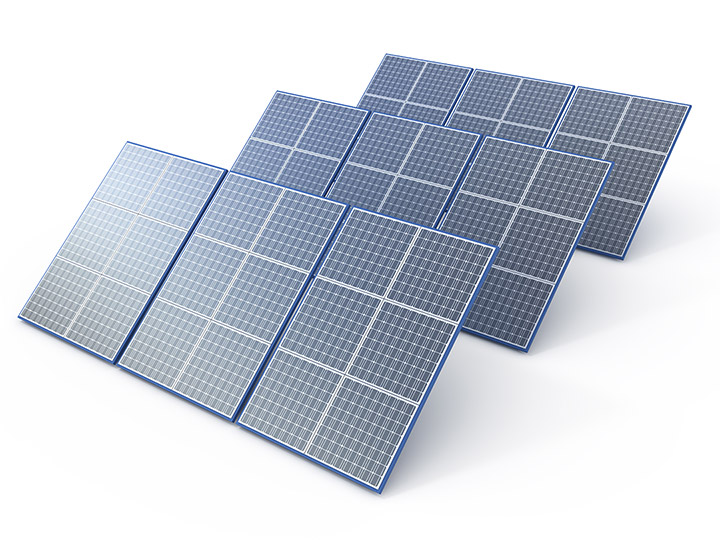
Solar Photovoltaics (PV)
Solar PV converts sunlight directly into electricity using semiconductor materials. It is scalable from small rooftop systems to utility-scale solar farms.
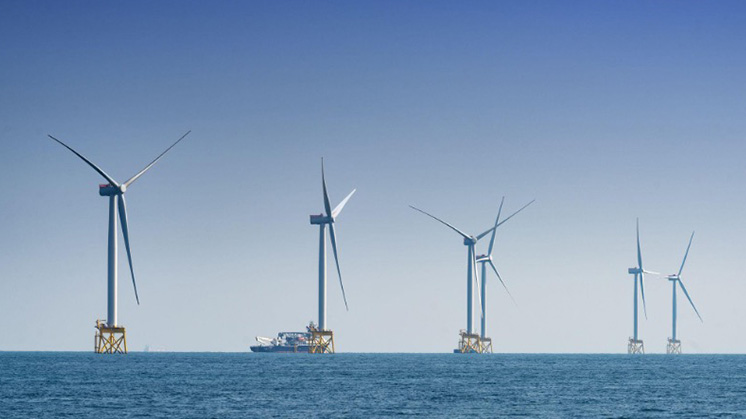
Onshore and Offshore Wind
Wind turbines convert kinetic energy from wind into electricity. Onshore wind is mature and cost-effective; offshore wind offers higher capacity factors and stronger winds but at higher capital costs.

Hydropower
Hydropower uses flowing water to drive turbines. It ranges from large dams to small run-of-river installations and pumped-storage hydro for energy storage.
Geothermal Energy
Geothermal taps heat from the Earth for electricity and direct heating. Resources are location-dependent but offer low-emission, continuous power and heat.
Bioenergy
Bioenergy uses organic material (biomass) for heat, electricity, and fuels (biofuels). Sustainable feedstock sourcing and lifecycle emissions are critical to net climate benefits.
Grid Integration and Energy Storage
Integrating high shares of variable renewables requires flexible systems: modern grids, demand response, and energy storage. Combining these elements ensures reliability and cost-effectiveness.
Energy Storage Technologies
– Batteries (Li-ion, LFP, flow): Ideal for short to medium-duration storage, rapid deployment, and grid services.
Smart Grids and Flexibility Measures
Smart grid technologies — real-time monitoring, advanced inverters, distributed energy resource management systems (DERMS) — enhance stability. Demand-side management, time-of-use pricing, and vehicle-to-grid (V2G) systems mobilize flexibility from consumers and electric vehicles.
Policy Frameworks and Market Design
Effective policy and market design accelerate renewable deployment and ensure equitable outcomes. Key mechanisms include feed-in tariffs, auctions, renewable portfolio standards (RPS), carbon pricing, and grid codes that allow inverter-based resources to provide grid services.
Policy Tools That Work
1. Competitive auctions for large-scale renewables to lower procurement costs and increase transparency.
Equity and Just Transition
Policies must ensure communities dependent on fossil industries receive retraining, job guarantees, and investments. Prioritizing distributed renewables in underserved areas can reduce energy poverty and deliver local benefits.
Financing and Business Models
Scaling renewables requires capital efficient financing structures and innovative business models to mitigate risk and attract private investment.
Common Financing Mechanisms
– Power Purchase Agreements (PPAs): Long-term contracts that provide revenue certainty for projects.
De-risking Strategies
Government guarantees, political risk insurance, standardized contracts, and proven procurement frameworks reduce perceived risks and lower the cost of capital. Aggregating small projects into portfolios also attracts institutional investors.
Case Studies: Real-World Examples of Renewable Deployment
Germany: Energiewende and the Role of Policy
Germany’s Energiewende — a comprehensive energy transition policy — combined feed-in tariffs, ambitious targets, and grid upgrades. The result: large deployments of wind and solar, robust local manufacturing, and lessons on grid flexibility and system costs.
India: Rapid Scale-Up of Solar via Auctions
India leveraged reverse auctions to attract low-cost solar bids, paired with robust domestic manufacturing goals and supportive grid expansion. The country now ranks among the world’s largest solar markets.
Denmark: Offshore Wind Leadership
Denmark combined early investment in offshore wind research, favorable policy frameworks, and industrial strategy to become a global leader in wind turbine manufacturing and offshore project development.
Chile: Renewable Integration with Storage
Chile’s abundant solar resources in the Atacama desert led to utility-scale solar and hybrid projects that combine solar with battery storage and flexible gas plants, demonstrating reliable high-renewable grids in emerging markets.
Deployment Roadmap: How to Accelerate Renewable Adoption
Whether at the national, corporate, or community level, accelerating renewables requires coordinated actions across policy, finance, technology, and social planning.
For Policymakers
1. Set clear, binding renewable targets and integrate them into national planning.
For Businesses and Utilities
1. Set science-based renewable procurement targets and pursue PPAs.
For Communities and Households
1. Adopt rooftop solar and community solar models where feasible.
Technology Integration Examples and Actionable Steps
Below are practical, immediate measures organizations and individuals can implement to participate in the transition.
Measuring Impact: Metrics and Monitoring
Tracking progress is essential for accountability and optimization. Key metrics include:
Challenges and How to Overcome Them
Scaling renewables faces technical, financial, social, and political challenges. Here’s how to address the most common barriers:
Intermittency and Grid Stability
Solution: Combine diverse renewables, storage, smart grids, and flexible demand. Update grid codes to allow inverter-based resources to provide grid services like frequency response.
Financing Gaps
Solution: Use blended finance, public guarantees, and standardized contracts. Encourage capital market instruments like green bonds and create bankable project pipelines.
Land Use and Environmental Concerns
Solution: Prefer brownfield sites and rooftop installations when possible. Use environmental impact assessments, biodiversity safeguards, and benefit-sharing agreements with local communities.
Workforce and Social Transition
Solution: Invest in retraining and education programs, and involve local communities in planning to ensure benefits are shared widely.
Future Trends and Innovations
Several emerging trends will shape the next decade of renewable energy deployment:
FAQs: Quick Answers for Common Questions
Can renewable energy fully replace fossil fuels?
Yes, technically renewable energy can meet nearly all energy needs when combined with storage, grid upgrades, demand management, and sector coupling. The timeline and pathway depend on policy, investment, and technological advances.
Are renewables reliable during extreme weather?
Reliability depends on system design. Combining diverse resources, storage, microgrids, and resilient infrastructure ensures supply during extreme events. Distributed generation often enhances resilience.
What is the role of nuclear energy in a low-carbon future?
Nuclear can provide low-carbon baseload power and complement renewables where deployed. Policy, cost, safety, and waste disposal considerations influence its role in national mixes.
How do renewables affect electricity costs?
Increasing renewable shares typically lower marginal generation costs, but system costs for flexibility, storage, and grid upgrades must be managed. With smart market design, total costs can decrease while emissions fall.
Recommended Resources and Further Reading
– International Renewable Energy Agency (IRENA) — reports on global renewable capacity and costs (opens in a new window)
For more insights, explore our related content on energy policy guidance, sustainable operations, community solar, and green finance options.
Image and Accessibility Recommendations
– Hero image: Panoramic photo of mixed renewables (solar farm + wind turbines). Alt text: “Solar panels and wind turbines producing renewable energy.”
Social Sharing and Calls to Action
We encourage you to engage with this content and share it with your network:
Conclusion
Renewable energy is central to addressing climate change, improving public health, and creating resilient economies. The technologies are mature, costs are declining, and practical pathways exist for rapid deployment. Success will depend on integrated policy frameworks, smart grid investments, innovative financing, and just transition policies that ensure broad-based benefits. Stakeholders at every level — governments, businesses, communities, and households — have clear actions they can take today to accelerate the transition to a sustainable energy future. The time to act is now, and every step counts toward building a cleaner, more equitable world for generations to come.