


- Introduction
- Quick Snapshot: Key Facts About the Global Economic Crisis 2026 and Oil Prices
- Why Oil Prices Are Rising in 2026: Core Drivers
- 1. Supply Constraints and an Oil Supply Crisis
- 2. Demand-Side Resilience and Structural Shifts
- 3. Market Psychology and Financial Factors
- How the Oil Supply Crisis Developed: Chronology and Case Examples
- Linking Oil Price Dynamics to the Global Economic Slowdown
- Sectors and Regions Most Affected by Oil Prices in 2026
- Policy and Corporate Responses to the 2026 Oil Price Spike
- Monetary Policy
- Fiscal Policy and Targeted Relief
- Energy Policy and Strategic Stockpiles
- Corporate Strategies
- Practical Recommendations: What Governments, Businesses, and Households Can Do
- Forecasts and Scenarios for Oil Prices and the Global Economy
- Frequently Asked Questions (FAQ)
- Q: Are high oil prices the main cause of the global economic crisis 2026?
- Q: Will oil prices keep rising through 2026 and beyond?
- Q: Can strategic petroleum reserves solve the oil supply crisis?
- Q: How should investors respond to high oil prices and an economic slowdown?
- Key Takeaways
- Next Steps and Calls to Action
Global Economic Crisis 2026: Why Oil Prices Are Rising, the Oil Supply Crisis, and the Economic Slowdown
Introduction
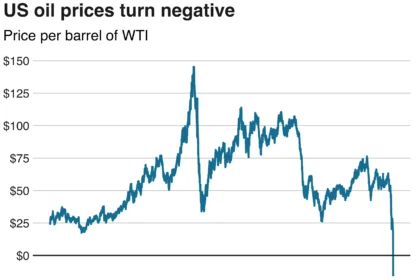
In 2026, the world faces a unique convergence of economic pressures: persistent inflation in many regions, elevated oil prices, and tightening financial conditions that together feed a global economic crisis. Energy markets—especially oil—are central to what’s unfolding. Oil prices in 2026 have repeatedly surprised markets, rising on supply constraints, geopolitical tensions, policy shifts, and demand-side dynamics that defy earlier forecasts.
This article explains why oil prices are rising in 2026, how an oil supply crisis is unfolding in key producing regions, and how these developments are amplifying an economic slowdown across advanced and emerging economies. You will get a clear breakdown of the drivers, sectoral impacts, policy options, corporate strategies, and practical guidance for governments, businesses, and households to manage risk. The analysis combines macroeconomic context, market mechanics, and actionable recommendations, with suggested sources and internal linking ideas to assist further reading and website integration.
—

Quick Snapshot: Key Facts About the Global Economic Crisis 2026 and Oil Prices
– Oil Prices 2026: Sustained higher-than-expected prices driven by supply-side disruptions and structural constraints.
- Main Drivers: Geopolitical tensions, underinvestment in production capacity, coordinated supply decisions by producers, and demand resilience in parts of Asia.
- Economic Impact: Higher inflation, reduced real incomes, weaker consumption, and slower growth—especially in oil-importing economies.
- Policy Challenge: Central banks balancing inflation control with fragile growth; fiscal trade-offs for governments facing energy affordability and stimulus needs.
- Outlook: Elevated volatility; medium-term adjustment depends on production responses, demand trends, and geopolitical de-escalation.
- Underinvestment in Upstream Capacity: After years of lower capital expenditure among oil-producing companies and sovereign producers, spare capacity is limited. The lag between investment decisions and production ramp-up—often several years—means markets remain tight.
- Geopolitical Disruptions: Regional conflicts, sanctions, and export disruption risk in major producing areas have constrained flows and increased risk premia embedded in prices.
- Operational Outages: Aging infrastructure, adverse weather events, and maintenance backlogs have reduced effective supply versus nameplate capacity.
- Producer Coordination: Strategic production restraint by groups of producers (formal or tacit) has tightened physical balances to support higher prices.
- Economic Activity in Large Emerging Markets: Continued transportation and industrial fuel use in Asia has kept baseline demand high.
- Slower Substitution in Key Sectors: Heavy industry, aviation, and long-distance freight are less ready to switch away from oil-based fuels quickly.
- Seasonal and Cyclical Factors: Weather patterns, transport cycles, and inventory restocking can produce periodic demand spikes.
- Risk Premia: Traders demand higher compensation for holding exposure to supply uncertainty, pushing futures prices up across maturities.
- Speculative Positioning: Leveraged funds and commodity investors magnify short-term price moves, especially in thin markets.
- Currency and Interest Rate Dynamics: A weaker dollar in some periods or real rate movements can alter oil’s dollar-denominated price path.
- Post-Pandemic Investment Retrenchment: Following the COVID-era slump and capital discipline, many producers prioritized returns over capacity expansion.
- Policy and Regulatory Shifts: Stricter permitting, community opposition, and tighter lending for fossil fuel projects delayed new projects in several jurisdictions.
- Geopolitical Flashpoints: Sanctions and conflicts affecting large exporters generated physical and perceived shortages.
- Natural Disasters and Maintenance Backlog: Hurricanes, floods, and deferral of maintenance created temporary but impactful production outages.
- Inflation Channel: Higher energy costs increase consumer price indices directly (fuel, transport) and indirectly (higher production and distribution costs).
- Real Income and Consumption: Households spend more on energy, reducing discretionary spending and weakening demand for non-essential goods and services.
- Corporate Profit Margins: Energy-intensive firms face rising input costs; unless they can pass costs through, margins and investment decline.
- Trade Balances and Currency Effects: Oil-importing countries face larger import bills, weakening their current accounts and sometimes their currencies, which can further fuel inflation.
- Monetary Policy Responses: Central banks may keep rates higher to tame inflation, which suppresses investment and amplifies the slowdown.
- Manufacturing and logistics costs rise, eroding margins and employment.
- Central banks face pressure to maintain restrictive policy even as growth cools.
- Higher sovereign borrowing costs, particularly for economies reliant on external financing.
- Increased poverty and social stress from higher energy and food prices.
- Some exporters still face production constraints limiting revenue upside.
- Exchange rate appreciation and Dutch-disease risks for non-diversified economies.
- Fuel subsidies or cash transfers to offset higher pump prices.
- Temporary tax cuts on fuel or VAT exemptions on energy bills.
- Support for public transport and energy efficiency measures to reduce demand.
- Releasing strategic petroleum reserves (SPRs) to smooth short-term disruptions.
- Incentivizing accelerated production where environmentally and socially permissible.
- Expediting approvals for low-impact projects and incentivizing marginal production.
- Reinforcing investments in alternative fuels and electrification to lower medium-term oil demand.
- Hedging energy exposure using futures and options to stabilize budgets.
- Raising prices where feasible and improving energy efficiency in operations.
- Reassessing supply chains to shorten transport distances and shift modes where possible.
- Use strategic reserve releases coordinated with allies to reduce price spikes, while communicating clearly about objectives and limits.
- Accelerate investments in public transport, energy efficiency, and renewables to reduce medium-term oil vulnerability.
- Maintain macroeconomic credibility: prioritize clear inflation communication to anchor expectations and avoid unnecessary policy volatility.
- Invest in energy efficiency and process improvements that lower long-term energy intensity.
- Review pricing strategies and contract terms to improve pass-through where market conditions allow.
- Stress-test balance sheets and working capital under prolonged high energy-cost scenarios.
- Consider fuel-efficient transport choices and public transport where available.
- Budget for higher energy costs and explore available government relief programs.
- The resulting oil supply crisis is a central amplifier of the global economic slowdown, raising inflation and squeezing growth.
- Policy responses must balance short-term relief and long-term resilience through targeted fiscal measures, SPR use, and accelerated energy transition investments.
- Businesses and households should prioritize energy efficiency, hedging, and targeted fiscal support to reduce vulnerability.
—
Why Oil Prices Are Rising in 2026: Core Drivers
1. Supply Constraints and an Oil Supply Crisis
Supply-side issues are the most visible cause of rising oil prices. Key elements include:

2. Demand-Side Resilience and Structural Shifts
While long-term energy transitions aim to reduce oil dependence, near-term demand has remained resilient in 2026 due to:

3. Market Psychology and Financial Factors
Financial market behavior also amplifies price moves:
—
How the Oil Supply Crisis Developed: Chronology and Case Examples
Several interlinked events and trends over the previous 18–24 months created the conditions for an oil supply crisis in 2026:
Case Study: Regional Supply Pinch
In multiple producing regions, a mix of political instability and underinvestment led to sharp production declines compared with pre-2020 projections. These localized shortfalls, when aggregated, created a global tightening that was exacerbated by slow new project start-ups.
—
Linking Oil Price Dynamics to the Global Economic Slowdown
Rising oil prices affect the real economy through multiple channels:
Macro Picture: Stagflation Risk and the Policy Dilemma
The combination of weak growth and sticky inflation raises stagflation concerns. Policymakers face a dilemma: tighten policy to curb inflation (risking deeper slowdown) or ease to support growth (risking inflation expectations and further price rises). The outcome depends on how persistent the oil supply crisis is and how anchored inflation expectations remain.
—
Sectors and Regions Most Affected by Oil Prices in 2026
1. Advanced, Oil-Importing Economies
– Household fuel bills and transportation costs surge, weighing on consumption.
2. Emerging Market Oil Importers
– Wider current account deficits and pressure on foreign exchange reserves.
3. Oil-Exporting Countries
– Higher export revenues can provide fiscal relief, but political and fiscal management matters.
—
Policy and Corporate Responses to the 2026 Oil Price Spike
Monetary Policy
Central banks have pursued a mixed approach in 2026: in economies where inflation is dominated by energy, some central banks tightened policy to anchor expectations; others took a more cautious stance, factoring in growth risks. The appropriate stance varies by country depending on inflation drivers, labor market tightness, and credibility.
Fiscal Policy and Targeted Relief
Governments have used targeted measures to protect vulnerable households and key industries:
Energy Policy and Strategic Stockpiles
Policy levers to address supply-side tightness include:
Corporate Strategies
Firms have adjusted to elevated oil prices by:
—
Practical Recommendations: What Governments, Businesses, and Households Can Do
For Governments
1. Design targeted social protection (temporary cash transfers, targeted subsidies) rather than broad fuel subsidies that distort markets and strain public finances.
For Businesses
1. Hedge energy exposure where volatility threatens margins; use layered hedging to balance cost and flexibility.
For Households
1. Prioritize energy-saving measures (efficient appliances, insulation, smart thermostats) to reduce bills.
—
Forecasts and Scenarios for Oil Prices and the Global Economy
No single forecast is certain, but useful scenario frameworks help planning:
Base Case (Probability: Moderate)
Supply slowly increases as some new capacity comes online and short-term outages are repaired. Oil prices remain elevated relative to pre-crisis levels but moderate from current peaks. Global growth is subdued, with inflation gradually easing as base effects and monetary policy tightenings take hold.
Upside Risk (Higher Prices)
Geopolitical tensions escalate or new disruptions occur, further tightening supply and pushing prices sharply higher. This produces a deeper global slowdown, more pronounced inflation, and renewed market volatility.
Downside Risk (Prices Fall)
Coordinated releases from SPRs, rapid demand destruction (from recession or accelerated energy substitution), or a swift supply response reduce prices. Lower oil prices ease inflation and support growth, but exporters suffer fiscal strain.
—
Frequently Asked Questions (FAQ)
Q: Are high oil prices the main cause of the global economic crisis 2026?
A: High oil prices are a major contributing factor but not the sole cause. The crisis reflects a combination of inflationary pressures, interest rate tightening, supply-chain frictions, and geopolitical uncertainty. Energy costs amplify these trends, particularly in oil-importing countries.
Q: Will oil prices keep rising through 2026 and beyond?
A: Prices will depend on supply responses, geopolitical developments, demand trends (including economic performance and energy transition progress), and policy actions like SPR releases. Elevated volatility is likely; medium-term direction depends on investment and policy choices.
Q: Can strategic petroleum reserves solve the oil supply crisis?
A: SPR releases can alleviate short-term shortages and reduce price spikes, but they are a temporary fix. Long-term resolution requires increased sustainable supply or reduced demand via efficiency and fuel substitution.
Q: How should investors respond to high oil prices and an economic slowdown?
A: Diversify exposure, consider energy-sector hedges or selective investment in energy producers benefiting from higher prices, and stress-test portfolios for stagflation scenarios. Consult a financial advisor for tailored strategies.
—
Key Takeaways
– Oil prices in 2026 are rising due to a complex mix of supply constraints, geopolitical risk, and resilient demand.
—
Next Steps and Calls to Action
For policymakers: evaluate targeted relief and medium-term structural measures to bolster energy resilience. For business leaders: update stress tests, implement energy efficiency programs, and review hedging strategies. For readers: sign up for timely updates on oil market developments and economic forecasts.
—
This analysis synthesizes observed 2026 trends in oil markets and macroeconomics. For specific investment or policy decisions, consult professional advisors and authoritative sources.