

- Introduction
- Why Choose an E-Bike in 2026? Key Benefits and Trends
- Core E-Bike Components and What to Prioritize
- Motor Types and Placement: Hub vs. Mid-Drive
- Battery Capacity, Placement, Chemistry, and Real-World Range
- Frame, Geometry, and Ride Quality
- E-Bike Classes and Legal/Regulatory Considerations
- How to Calculate Realistic E-Bike Range: Step-by-Step Method
- Matching E-Bike Types to Use Cases
- Best E-Bikes for Commuting
- Cargo and Family E-Bikes
- E-Mountain Bikes (e-MTB)
- Folding E-Bikes and Last-Mile Solutions
- Key Features and Accessories to Prioritize
- Safety, Maintenance, and Battery Care
- Warranties, Service Networks, and Total Cost of Ownership
- How to Test-Ride and What to Inspect at a Shop or Demo
- Price Ranges and What to Expect at Each Tier
- Recommended E-Bike Models for 2026 (Examples by Use Case)
- Buying Online vs. Local Bike Shop: Pros and Cons
- Checklist: How to Pick the Right E-Bike
- Financing, Incentives, and Insurance
- Sustainability and End-of-Life Considerations
- SEO and Content Linking Recommendations
- Image and Media Suggestions (with Alt Text)
- Schema and Social Sharing Optimization
- Frequently Asked Questions (FAQ)
- Conclusion
How to Choose the Best Electric Bike in 2026: A Complete Buyer’s Guide
Introduction
Electric bikes (e-bikes) have transformed urban mobility, leisure riding, and commuting over the past decade. As of 2026, improvements in battery density, motor efficiency, integrated electronics, and routing software mean e-bikes are more practical, efficient, and accessible than ever. Whether you’re a daily commuter seeking a reliable, low-cost alternative to a car, a weekend rider wanting more range and hill-climbing ability, or a cargo user replacing a van for last-mile deliveries, this guide will teach you how to choose the best electric bike for your needs. You’ll learn how to compare motors, batteries, frames, and features; evaluate range and charging strategies; understand legal and safety considerations; and spot quality builds versus marketing hype. Practical examples, recommended models for different use cases, checklist templates, internal and external link suggestions, and FAQs are included to make your buying decision straightforward and confident.
What you’ll learn in this guide:
- Core e-bike components and what matters most (motor, battery, controller, frame)
- How to calculate realistic range and performance expectations
- Differences between Class 1, 2, and 3 e-bikes and regulatory impacts
- Best e-bike types for commuting, cargo, mountain, and recreational use
- Key accessories, maintenance tips, and safety gear
- How to evaluate warranties, service networks, and long-term cost
- Recommended models and buying checklist tailored to 2026 technology
- Greater battery energy density: Higher capacity in smaller, lighter packs means longer ranges without bulky tubes.
- Smarter motors and controllers: Adaptive torque sensors and AI-assisted power delivery provide smoother, more efficient assistance.
- Integrated connectivity: GPS, theft recovery, and app-based diagnostics are now standard on many mid- to high-tier models.
- Infrastructure growth: Cities continue expanding protected bike lanes and low-emission zones, making e-bikes more convenient and safer.
- Financial incentives: Local rebates, employer commuter benefits, and lightweight cargo grants remain available in many regions.
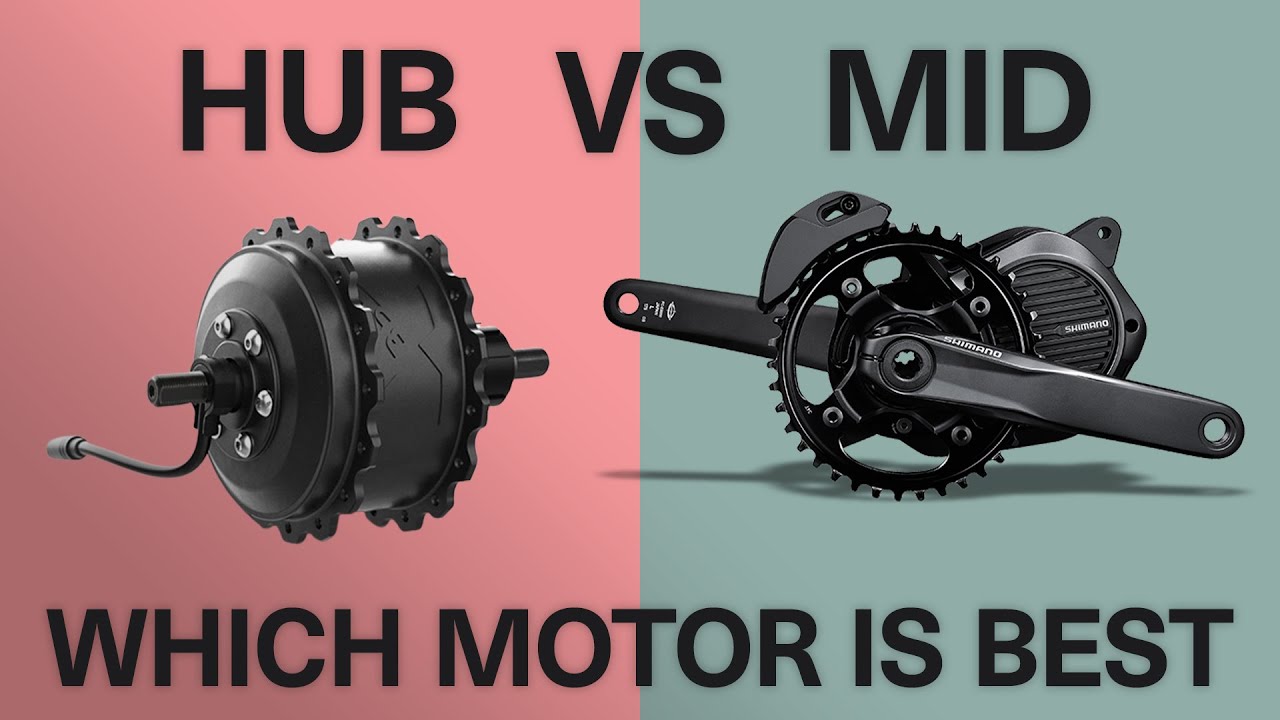
- Mid-drive motors: Mounted at the crank, they leverage the bike’s gearing for efficient climbing and better weight distribution. Ideal for hilly commutes, cargo, and off-road e-MTB use.
- Rated power (watts): Typical consumer e-bikes range from 250 W to 750 W. Higher wattage generally provides stronger acceleration but consumes more battery.
- Peak torque (Nm): Critical for climbing and hauling weight. Look for higher Nm for cargo or steep terrain.
- Sensor type: Torque sensors (which measure rider effort) deliver a natural pedal-assist feel; cadence sensors activate assistance based on pedaling motion and often feel less intuitive.
- Chemistries: Lithium-ion remains standard; 21700 cells and prismatic pouch cells offer high energy density.
- Placement: Downtube or integrated frame batteries improve handling. Removable batteries are convenient for charging and theft prevention.
- Real-world range depends on assist level, rider weight, terrain, and weather. A practical estimate: 20–40 miles from 400 Wh on mixed-assist settings; 50–100+ miles from 700–900 Wh with conservative pedaling.
- Geometry: Choose an upright or relaxed geometry for commuters and city riders; sportier geometry for e-MTB and performance riders.
- Suspension: Full or front suspension improves comfort on rough roads and trails but adds weight and maintenance.
- Class 1: Pedal-assist only, assistance up to 20 mph (32 km/h). Common for shared-use paths and many local regulations.
- Class 2: Throttle-equipped with top assisted speed typically 20 mph. Allowed on some paths, but restrictions vary.
- Class 3: Pedal-assist up to 28 mph (45 km/h), often requires additional equipment like lights and speedometers, and may be restricted on multi-use trails.
- Identify battery capacity (Wh).
- Estimate average energy consumption (Wh/mile). Typical values:
- City flat, light assist: 5–8 Wh/mile
- Mixed urban with hills: 10–20 Wh/mile
- Cargo, heavy load, or steep hills: 20–40+ Wh/mile
- Calculate range = Battery capacity (Wh) ÷ Wh per mile.
- Fenders and chain guards for commuting in wet weather
- Quality brakes (hydraulic disc recommended) for higher speeds and heavier loads
- Integrated racks and pannier compatibility for cargo
- Locking mounts for removable batteries and integrated locks
- App connectivity for firmware updates, GPS tracking, and ride diagnostics
- Visibility: High-visibility clothing, strong front and rear lights, and audible warnings.
- Defensive riding: Anticipate intersections, door zones, and pedestrian behavior.
- Brake pad wear and rotor check: monthly
- Chain lubrication and drivetrain cleaning: every 200–400 miles
- Battery contacts and mounting hardware inspection: monthly
- Annual professional tune-up for motor diagnostics and firmware checks
- Charge in cool, dry conditions and avoid leaving the battery in hot cars.
- Use manufacturer chargers and follow recommended charge cycles.
- Cold weather reduces available range; consider insulated storage or carrying a spare battery for long winter rides.
- Warranties: Typical battery warranties range from 1–3 years or a set Wh cycle count. Motor and frame warranties vary—look for at least 2 years on electrical components and 5+ years on frames for reputable brands.
- Service network: Local dealer support is crucial for maintenance, firmware updates, and warranty claims. Direct-to-consumer (DTC) brands may offer competitive pricing, but confirm local service options.
- TCO factors: Initial price, accessories, electricity costs (negligible), maintenance, parts replacement (tires, brakes), and eventual battery replacement (typically every 3–6 years depending on use).
- Start with a 15–30 minute ride on mixed terrain, using different assist levels.
- Test acceleration, hill-climb performance, handling, and braking.
- Inspect frame welds, cable routing, battery seating, and switchgear feel.
- Ask about firmware update procedures, spare parts availability, and local service.
- Midrange ($1,500–$3,500): Better motors (often entry-level mid-drive), improved batteries (400–600 Wh), hydraulic brakes, and better component integration.
- Premium ($3,500–$8,000+): High-performance mid-drive systems, integrated batteries, premium suspension, connectivity features, and superior build quality geared to commuters, cargo, and e-MTB riders.
- Commuter pick: Integrated-frame mid-drive commuter with 500–700 Wh battery, integrated lights and fenders, hydraulic brakes, and 50+ mile practical range.
- Cargo pick: Reinforced longtail or front-load cargo bike with 750 W system, 800–1,000 Wh battery, reinforced racks, and optional seat kits for children.
- E-MTB pick: Full-suspension mid-drive e-MTB with 85–100+ Nm torque, 630–900 Wh battery, dropper post, and robust 29″ or 27.5″ wheel setups.
- Folding/last-mile pick: Lightweight folding e-bike, 300–500 Wh battery, fold time under 20 seconds, and quick-release components for transit-friendly weighing under 20–35 lbs depending on range.
- Immediate test rides, professional fitting, and ongoing maintenance
- Easier warranty handling and parts availability
- Competitive pricing and broader model selection
- Potential for more features for price, but be aware of assembly quality and local service tradeoffs
- Set realistic range requirements and choose battery capacity accordingly.
- Choose motor type based on terrain and load (mid-drive for hills/cargo; hub motor for flat city).
- Inspect brakes, tires, and frame strength.
- Confirm warranty terms and local service support.
- Test-ride on representative routes and check handling under load.
- Review accessories: lights, fenders, racks, lock mounts.
- Confirm total cost including accessories and local taxes.
- Incentives: Check municipal and national rebate programs for e-bikes and cargo bikes; employers may offer pre-tax commuter benefits.
- Insurance: Consider e-bike insurance or add e-bike coverage to home or renter policies. Cargo bikes and high-value e-bikes often benefit from theft and liability coverage.
- Choose modular designs that allow component replacement rather than full bike replacement to extend lifespan.
- Consider upgradable platforms with swappable batteries and standardized components to reduce waste.
- “Best commuter e-bikes” — link to a category or roundup page on commuting e-bikes.
- “E-bike maintenance checklist” — link to a detailed maintenance article.
- “Cargo bike rebates” — link to a local incentives resource or page.
- Local government transport pages for e-bike regulations (open in new window)
- Manufacturer battery recycling programs such as Call2Recycle (open in new window)
- Consumer Reports or a respected cycling safety organization for helmet standards (open in new window)
- Motor close-up: Mid-drive motor and crank — alt: “Mid-drive e-bike motor and chainring close-up.”
- Battery diagram: Battery pack removed for charging — alt: “Removable e-bike battery being charged indoors.”
- Comparison table: Range vs. battery capacity chart — alt: “E-bike range comparison chart by battery capacity.”
- Use Article schema with author, datePublished, headline, image, and mainEntityOfPage.
- Add Product schema for featured e-bike models with aggregateRating, brand, offers, and sku fields when listing specific models.
- Include FAQ schema for the Q&A below.
- Suggested Twitter post: “Thinking about an e-bike in 2026? Here’s how to choose the best model for commuting, cargo, and trails. Read our complete buyer’s guide.”
- Suggested LinkedIn post: “E-bikes are reshaping urban transport. Our comprehensive 2026 buyer’s guide breaks down motors, batteries, and legal considerations for confident purchases.”
- Use the buyer checklist provided to narrow your options.
- Schedule test rides at local shops and compare handling under real conditions.
- Check for local rebates and financing options before purchasing.
- Sign up for manufacturer updates and firmware notifications to keep your e-bike performing optimally.
Why Choose an E-Bike in 2026? Key Benefits and Trends
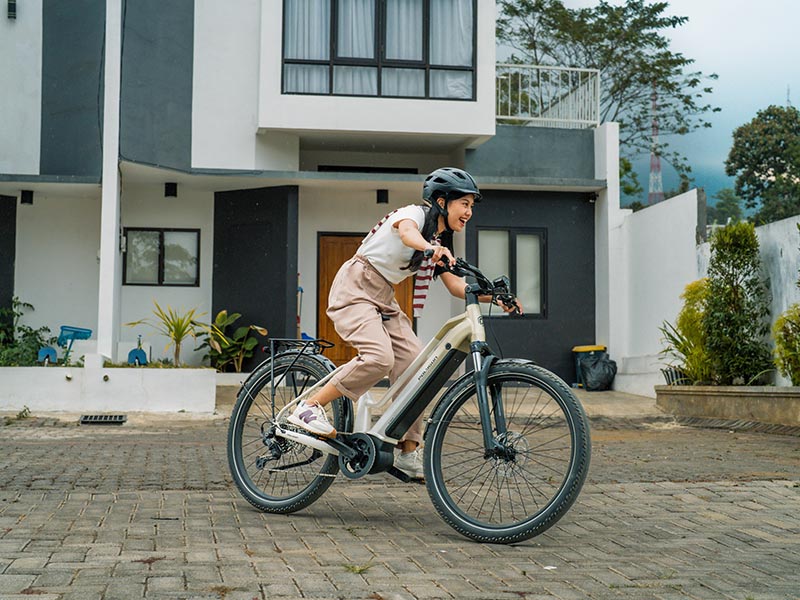
The past few years have brought steady improvements in electric bicycle technology and the broader cycling ecosystem. Key advantages of choosing an e-bike now include:
These trends make e-bikes a practical, cost-effective transportation and recreation option for a wide range of riders.

Core E-Bike Components and What to Prioritize
Understanding the hardware helps you match a bike to your needs. Here’s what matters most.
Motor Types and Placement: Hub vs. Mid-Drive
– Hub motors (rear or front): Simpler, often more affordable, provide steady assistance, and work well for flat-city riding and light cargo. Less effective for steep hills and heavy load scenarios.
Key motor specs to compare:

Battery Capacity, Placement, Chemistry, and Real-World Range
– Capacity is measured in watt-hours (Wh). Typical modern e-bikes range from 300 Wh (light commuter) to 900+ Wh (long-range cargo or touring).

Frame, Geometry, and Ride Quality
– Frame materials: Aluminum is light and durable; steel provides comfort and durability for cargo bikes; carbon fiber appears on performance e-bikes.
E-Bike Classes and Legal/Regulatory Considerations
Understanding local regulations ensures your e-bike meets legal requirements for riding on bike lanes, trails, and roads.
Check your local laws for age limits, helmet requirements, licensing, and where each class is allowed.
How to Calculate Realistic E-Bike Range: Step-by-Step Method
Realistic range calculations let you avoid range anxiety.
Example: A 500 Wh battery on mixed terrain (15 Wh/mile) yields approximately 33 miles.
Tip: Always add a 10–20% buffer for reserve capacity and energy lost to temperature and headwinds.
Matching E-Bike Types to Use Cases
Best E-Bikes for Commuting
Prioritize reliability, theft prevention, integrated lights, fenders, and a removable battery. Look for a range of at least 30–50 miles if you ride daily. Mid-drive or hub motors both work; choose based on hills and load.
Cargo and Family E-Bikes
Cargo bikes require high torque, large battery capacity, and robust frames. Consider longtails, front-load bakfiets, or mid-tail designs. Key specs: 750 W peak power, 700–900+ Wh battery, reinforced frames, and integrated racks.
E-Mountain Bikes (e-MTB)
Choose mid-drive systems with strong torque and durable gearboxes. Suspension quality, dedicated geometry for control, and robust brakes are essential. Battery ranges of 500–800 Wh are common; consider dual-battery options for all-day rides.
Folding E-Bikes and Last-Mile Solutions
Folding e-bikes emphasize portability and compact storage. Batteries and motors are optimized for weight; expect shorter ranges (15–40 miles). Look for quick-fold mechanisms, lightweight frames, and integrated locks.
Key Features and Accessories to Prioritize
– Integrated lights and reflective elements for visibility
Safety, Maintenance, and Battery Care
Safety Gear and Riding Practices
– Helmet: Use a well-fitted, certified helmet (MIPS recommended for urban riders).
Routine Maintenance Checklist
– Tire pressure and tread inspection: weekly
Maximizing Battery Life
– Avoid extreme states of charge: store at ~40–60% if unused for extended periods.
Warranties, Service Networks, and Total Cost of Ownership
Buying an e-bike includes evaluating long-term support and cost.
How to Test-Ride and What to Inspect at a Shop or Demo
Before purchase, perform a focused test ride and inspection:
Price Ranges and What to Expect at Each Tier
– Budget (under $1,500): Basic hub-motor e-bikes with limited battery capacity and component quality. Suitable for casual city rides.
Recommended E-Bike Models for 2026 (Examples by Use Case)
These recommendations reflect typical feature sets and performance you should expect in 2026. Models and specifications change rapidly; use these as benchmarks when comparing current offerings.
Buying Online vs. Local Bike Shop: Pros and Cons
Local bike shop advantages:
Online/DTC advantages:
Checklist: How to Pick the Right E-Bike
– Determine primary use: commuting, cargo, trail, leisure.
Financing, Incentives, and Insurance
– Financing: Many brands and shops offer financing plans; compare APRs and terms.
Sustainability and End-of-Life Considerations
– Batteries should be recycled responsibly through manufacturer programs or certified recycling centers.
SEO and Content Linking Recommendations
Internal link suggestions (anchor text recommendations):
External authoritative links to include:
Image and Media Suggestions (with Alt Text)
– Hero image: Urban commuter on an integrated e-bike — alt: “Commuter riding integrated-frame electric bike in city street.”
Schema and Social Sharing Optimization
Schema recommendations:
Social sharing elements:
Frequently Asked Questions (FAQ)
Q: How far can I ride an e-bike on a single charge?
A: Typical ranges vary widely. Expect 20–40 miles from a 400–500 Wh battery under mixed conditions; 50–100+ miles from 700–900 Wh with conservative pedaling. Real-world factors like terrain, rider weight, and assist level strongly affect range.
Q: Do e-bikes need license plates or registration?
A: Requirements depend on jurisdiction and e-bike class. Class 3 e-bikes may have stricter rules in some regions. Always check local laws for registration, age limits, and helmet requirements.
Q: Are e-bikes safe to use in the rain?
A: Most modern e-bikes are water-resistant and rated to an IP level for basic wet-weather use. Avoid deep water and wash electrical connections gently; dry and inspect the bike after heavy rain.
Q: How long do e-bike batteries last?
A: With proper care, modern lithium batteries commonly last 3–6 years or 500–1,000 full charge cycles. Usage patterns and storage conditions affect longevity.
Q: Can I repair the battery myself?
A: No. Batteries contain cells and safety circuits that require professional handling. Use manufacturer or certified repair centers for battery issues.
Conclusion
Choosing the best electric bike in 2026 means balancing realistic range needs, motor and battery performance, frame and component quality, local regulations, and long-term support. Focus on use-case alignment—commuting, cargo hauling, trail riding, or last-mile folding solutions—and don’t skimp on safety, serviceability, and warranty coverage. Test ride thoroughly, inspect key components, and confirm local service and spare parts access before buying. With the right match between rider and machine, an e-bike can deliver fast, efficient, and enjoyable transportation that reduces costs, minimizes environmental impact, and expands mobility options.
Action steps:
—
Author note: This guide synthesizes current e-bike technology and regulatory trends for 2026. For exact model specs, local regulations, and available incentives, verify with manufacturers and local authorities before purchasing.