

- What Is Global Impact? Key Definitions and Frameworks
- Major Domains of Global Impact
- 1. Economic Globalization and Financial Linkages
- 2. Environmental and Climate Impact
- 3. Technological Diffusion and the Digital Economy
- 4. Global Health and Pandemics
- 5. Geopolitics, Trade Policy, and Security
- 6. Social Movements, Migration, and Cultural Flows
- Measuring Global Impact: Metrics and Indicators
- Cross-Cutting Drivers and Interactions
- Strategies to Manage and Leverage Global Impact
- Real-World Examples and Mini Case Studies
- Example 1: Renewable energy investment and local economies
- Example 2: Digital platforms expanding access to markets
- Example 3: Pandemic-era supply-chain redesign
- Measuring Return on Action: Evaluating Interventions
- Policy Recommendations and Best Practices
- Tools and Resources
- Frequently Asked Questions (FAQ)
- What drives global impact most strongly?
- How can small businesses manage global risks?
- Is globalization reversing?
- Conclusion
Global Impact: How Worldwide Forces Shape Economies, Societies, and the Planet
We live in an interconnected world where events in one region can reverberate across continents within hours. From supply-chain disruptions and climate change to digital transformation and global health crises, the drivers of global impact influence how businesses operate, how communities adapt, and how policymakers respond. This article explains what “global impact” means, maps the major domains where global forces exert influence, and offers evidence-based case studies and practical strategies for stakeholders who need to understand and act on these dynamics. You’ll learn how economic linkages, environmental trends, technological diffusion, geopolitical shifts, and social movements interact to produce complex outcomes—and what organizations and individuals can do to anticipate risks and seize opportunities. Whether you’re a business leader, policymaker, activist, or concerned global citizen, this guide provides the data, frameworks, and action steps to navigate an increasingly globalized world.

What Is Global Impact? Key Definitions and Frameworks
Global impact refers to the cascading effects that economic, environmental, political, technological, and social forces originating in one or multiple places have on populations, systems, and the planet at large. It encompasses both intended and unintended consequences and operates at multiple scales—from local communities to global institutions.
Analytical Frameworks
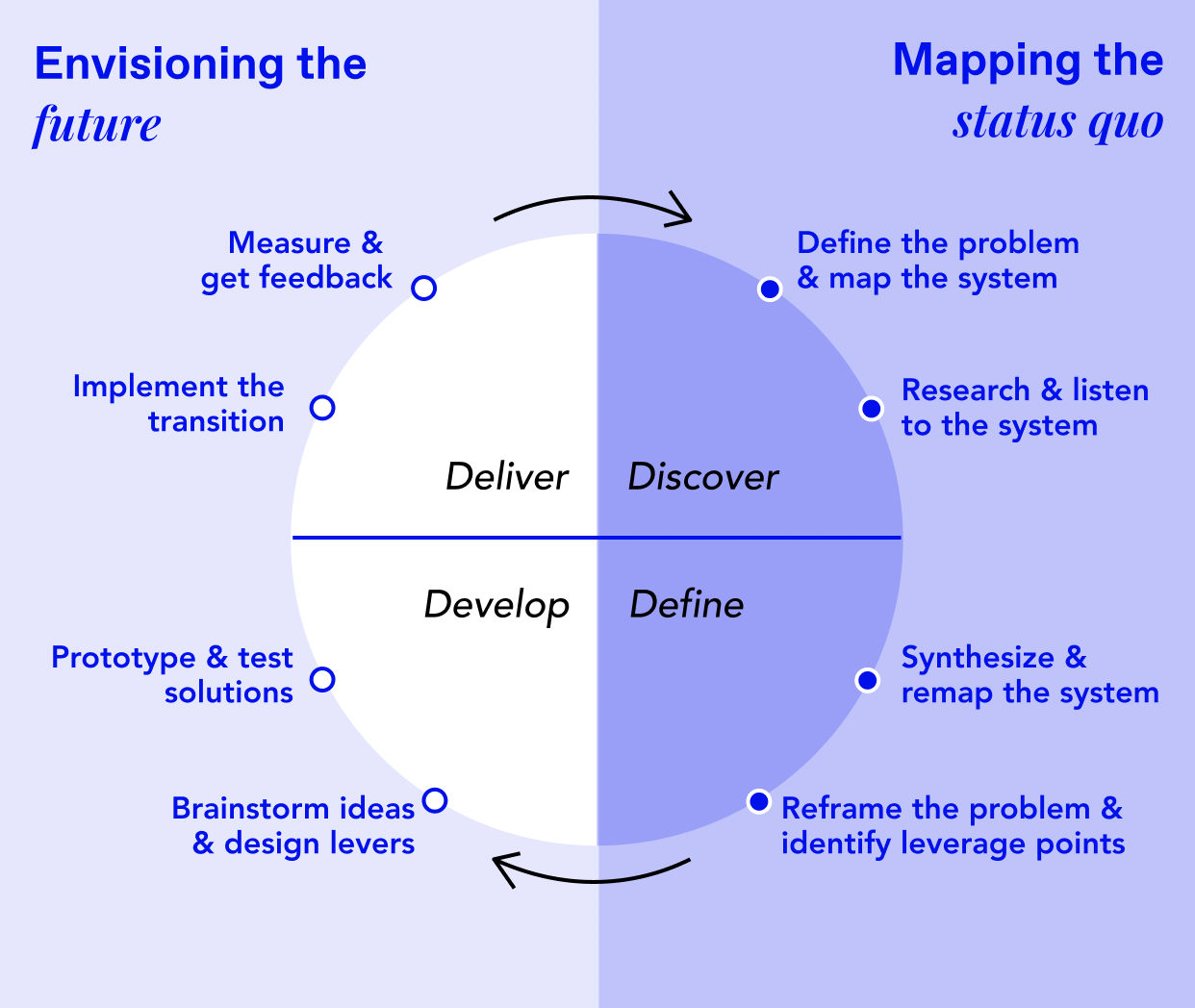
– Systems Thinking: Views global phenomena as interconnected systems with feedback loops.
- Value Chain Analysis: Tracks how goods, services, and value move across borders and the risks along that chain.
- Risk and Resilience Frameworks: Measures vulnerability and adaptive capacity of systems facing shocks.
- Cost-Benefit and Externalities Framework: Quantifies economic trade-offs and social costs not captured in market prices.
- Increasing role of services and digital trade.
- Capital mobility and the speed of financial contagion.
- Rising sea levels and coastal vulnerability.
- Biodiversity loss and ecosystem service degradation.
- AI and automation changing skill demands and productivity.
- Data governance conflicts and digital sovereignty debates.
- Expanded telemedicine and digital health solutions.
- Supply-chain diversification for critical medical goods.
- Strategic supply-chain diversification for critical inputs.
- Multilateral institutions facing legitimacy and reform pressures.
- Urbanization and demographic shifts influencing labor supply.
- Cross-border flows of ideas impacting governance and business practices.
- Automation and AI reshape employment while affecting global competitiveness.
- Pandemics disrupt supply chains, accelerating digital transformation and reshoring trends.
- Strengthen multilateral cooperation on climate, health, and trade governance.
- Promote inclusive policies that mitigate inequality and support displaced workers.
- Adopt forward-looking industrial and digital policies to foster competitiveness.
- Integrate ESG (environmental, social, governance) criteria into corporate strategy.
- Invest in workforce reskilling and digital transformation.
- Use scenario planning to anticipate geopolitical and climate-related disruptions.
- Advocate for equitable policies and corporate accountability.
- Adopt sustainable consumption practices and support ethical businesses.
- Set baselines and timelines for measurable outcomes.
- Use randomized trials or pilot programs where applicable.
- Adopt adaptive management: monitor, learn, and adjust interventions.
- Align economic incentives with sustainability: carbon pricing, green bonds, and subsidies for resilient infrastructure.
- Prioritize human capital: education and lifelong learning systems to adapt to technological changes.
- Enhance data systems: invest in interoperable, timely data for better decision-making.
- Promote inclusive governance: ensure marginalized communities have voice and access to benefits.
- World Bank—World Development Indicators
- International Monetary Fund (IMF)—Global Financial Stability Reports
- Intergovernmental Panel on Climate Change (IPCC)—assessment reports
- World Health Organization (WHO)—global health statistics
- International Telecommunication Union (ITU)—digital connectivity data
- World Bank data
- IPCC reports
- WHO
- OECD
- Global impact spans economic, environmental, technological, health, and political domains.
- Systems thinking and cross-sector collaboration are essential to manage complex risks.
- Practical actions—supply-chain diversification, ESG integration, capacity-building—boost resilience.
- Data-driven policy and inclusive governance increase the likelihood that benefits are shared equitably.

Major Domains of Global Impact

1. Economic Globalization and Financial Linkages
Trade liberalization, multinational investment, and integrated capital markets have reshaped the global economy. Economic shocks—such as financial crises, commodity price swings, or sudden trade barriers—can transmit quickly across borders via capital flows, exchange rates, and supply chains.

Key trends
– Rise of global value chains (GVCs) and fragmentation of production.
Case study: The 2008 Global Financial Crisis
The 2008 crisis began in U.S. housing markets and mortgage-backed securities yet rapidly propagated worldwide through bank exposures and credit markets. Consequences included deep recessions, surges in unemployment, and policy shifts such as coordinated central-bank interventions and new financial regulation (e.g., Basel III).
2. Environmental and Climate Impact
Climate change and environmental degradation are quintessentially global challenges. Greenhouse gas emissions are produced and affect regions unevenly, but their cumulative effect changes weather patterns, sea levels, and ecosystems worldwide.
Key trends
– Increasing frequency and severity of extreme weather events.
Case study: Supply-chain vulnerability from extreme weather
Severe flooding or hurricanes can halt production at critical nodes—ports, semiconductor fabs, or agricultural regions—causing ripple effects internationally. For example, floods in Thailand in 2011 disrupted electronics and automotive supply chains globally.
3. Technological Diffusion and the Digital Economy
Technology spreads rapidly, altering economic structures, labor markets, and social interactions. Digital platforms, AI, and automation enable new business models and also create geopolitical competition over digital infrastructure and standards.
Key trends
– Acceleration of e-commerce and remote work.
Case study: Semiconductor geopolitics
Semiconductor manufacturing concentration has geopolitical implications. Export controls and investment policies affect global tech supply chains and national security strategies, illustrated by restrictions targeting specific chip technologies and companies.
4. Global Health and Pandemics
Health threats cross borders quickly through travel and trade. The COVID-19 pandemic demonstrated how a local outbreak can cause global economic contraction, strain health systems, and reshape social behavior.
Key trends
– Increased investment in global public health surveillance.
Case study: COVID-19’s economic and social fallout
Beyond mortality and morbidity, COVID-19 disrupted global labor markets, accelerated digital adoption, and exposed supply-chain fragilities. Policy responses included fiscal stimulus measures, vaccine diplomacy, and strengthened health cooperation mechanisms.
5. Geopolitics, Trade Policy, and Security
Geopolitical rivalries and trade policies reshape global flows of goods, capital, and talent. Sanctions, tariffs, and strategic competition can reorient supply chains and investment patterns.
Key trends
– Reshoring and nearshoring as risk mitigation.
Case study: Trade tensions and tariff impacts
Tariff escalations between major economies can slow growth, increase consumer prices, and push firms to redesign supply networks. Firms respond through pricing, sourcing adjustments, or shifting production locations.
6. Social Movements, Migration, and Cultural Flows
Global communications amplify social movements and cultural exchange. Migration reshapes demographics, labor markets, and urban systems. Cultural flows can influence norms, consumer behavior, and political discourse.
Key trends
– Transnational activism and social media-driven movements.
Case study: Youth-led climate activism
Movements such as global climate strikes have influenced public discourse and pushed governments and corporations to adopt more ambitious environmental commitments.
Measuring Global Impact: Metrics and Indicators
Quantifying global impact requires diverse indicators across domains. Key metrics include GDP and trade volumes (economic), carbon dioxide and biodiversity indices (environmental), internet penetration and technology adoption rates (digital), health metrics like DALYs and vaccination coverage, and governance indices (political).
| Domain | Common Metrics | Data Sources |
|——–|—————-|————–|
| Economic | GDP growth, trade balance, FDI inflows, unemployment | World Bank, IMF, WTO |
| Environmental | CO2 emissions, temperature anomalies, forest cover | IPCC, UNEP, NOAA |
| Health | Life expectancy, DALYs, vaccination rates | WHO, CDC |
| Technology | Internet users, smartphone penetration, R&D spend | ITU, OECD |
| Social/Political | Migration flows, governance indices, protest frequency | UN, Freedom House |
Cross-Cutting Drivers and Interactions
Global impact is rarely domain-specific. Interactions—such as climate change affecting migration and food security, or technology accelerating economic inequality—create compound risks and opportunities. Understanding these interactions is essential for effective policy and strategy.
Examples of cross-cutting interactions
– Climate change increases migration pressures, influencing labor markets and political dynamics.
Strategies to Manage and Leverage Global Impact
Organizational and policy responses should focus on risk management, resilience building, and opportunity capture. Below are practical strategies for governments, businesses, and civil society.
For Governments
– Invest in resilient infrastructure and disaster preparedness.
For Businesses
– Map and diversify critical supply-chain nodes; consider nearshoring for key inputs.
For Civil Society and Individuals
– Participate in community resilience-building and local sustainability initiatives.
Real-World Examples and Mini Case Studies
Example 1: Renewable energy investment and local economies
Large-scale renewable projects can generate jobs, lower emissions, and alter local land use. Strategic planning and community engagement ensure benefits are widely shared and environmental trade-offs are managed.
Example 2: Digital platforms expanding access to markets
Marketplaces and fintech platforms enable SMEs in emerging markets to reach global customers, increasing incomes and spurring entrepreneurship. However, digital divides persist and require policy attention.
Example 3: Pandemic-era supply-chain redesign
Following COVID-19, many firms adopted multi-sourcing and increased inventory buffers for critical components, balancing cost efficiency with resilience.
Measuring Return on Action: Evaluating Interventions
Assessing the effectiveness of interventions requires clear objectives and measurable KPIs. Use mixed-methods evaluation combining quantitative indicators (e.g., emissions reduced, jobs created) with qualitative assessments (community satisfaction, governance changes).
Policy Recommendations and Best Practices
1. Strengthen international cooperation: reform multilateral institutions to handle cross-border challenges efficiently.
Tools and Resources
Key organizations and data platforms:
Useful external resources (opens in new window):
Frequently Asked Questions (FAQ)
What drives global impact most strongly?
Multiple drivers interact, but rapid technological change, climate dynamics, and geopolitical shifts are currently among the most influential forces shaping global outcomes.
How can small businesses manage global risks?
Small businesses should diversify suppliers, adopt digital tools to access broader markets, maintain contingency plans, and invest in employee training to remain adaptable.
Is globalization reversing?
Globalization is evolving rather than reversing. Trends such as reshoring and strategic decoupling coexist with persistent global trade, digital connectivity, and international cooperation.
Conclusion
Global impact is multifaceted and accelerating. Economic linkages, environmental shifts, technological advances, health crises, and geopolitical changes interact to produce complex outcomes that affect individuals, communities, businesses, and nations. The most effective responses combine resilience, cooperation, and forward-looking policy and business strategies. By measuring impacts, investing in adaptive capacity, and aligning incentives with sustainable outcomes, stakeholders can reduce risks and unlock opportunities in an interconnected world.
Key takeaways:
Take action: review your organization’s exposure to global risks today—conduct a supply-chain audit, assess climate vulnerabilities, and adopt a multi-scenario planning approach to prepare for the shocks and opportunities of an interconnected world.