

- Introduction
- What You’ll Learn
- Current Market Snapshot — Where Oil Prices Stand Today
- Primary Drivers of Oil Price Movements (Supply and Demand Fundamentals)
- Geopolitics and Policy — Amplifiers of Volatility
- Scenarios for the Near- to Medium-Term Outlook
- Scenario A — Continued Rise
- Scenario B — Stabilization
- Scenario C — Renewed Volatility and Oscillation
- Leading Indicators to Watch (Actionable Signals)
- Economic and Social Impacts of Rising vs. Stable Prices
- Case Studies and Recent Examples
- Strategies for Different Stakeholders
- SEO and Content Suggestions (Internal/External Linking & On-Page Elements)
- Internal Link Suggestions (Anchor Text Examples)
- External Authoritative Sources
- Schema and Metadata Recommendations
- Image and Accessibility Recommendations
- FAQs — Snappy Answers for Featured Snippets
- Key Takeaways — What to Remember
- Conclusion — What’s Your View? Join the Conversation
Will Oil Prices Keep Rising or Stabilize Soon? Expert Analysis and What It Means for the Global Crisis
Introduction
Global energy markets are at the center of a crisis that touches inflation, geopolitics, and everyday household budgets. Recent volatility in crude oil prices has intensified questions about whether prices will continue to climb or find a stable footing in the near term. In this article, you’ll get a clear, evidence-based overview of the forces driving oil prices today, scenario-based outlooks for future price behavior, implications for economies and consumers, concrete indicators to watch, and actionable steps households, businesses, and policymakers can take now. You’ll also find suggested internal and external links, SEO-optimized subheadings, shareable takeaways, and a prompt to join the conversation with WorldExis.

What You’ll Learn
– The key supply and demand drivers currently shaping oil prices
- How geopolitics, monetary policy, and production decisions affect markets
- Scenario analyses: rising, stabilizing, and volatile price paths
- Economic and social consequences of different oil-price outcomes
- Practical indicators to monitor and tactical responses for stakeholders
- Inventory levels and refinery utilization: How stockpiles and processing capacity influence near-term price pressure.
- OPEC+ production posture: Output quotas, compliance, and recent announcements.
- Macro environment: Global growth forecasts, CPI trends, and currency movements.
- OPEC+ meetings have emphasized production discipline, with occasional voluntary cuts from some members.
- Major consuming economies’ growth projections from the IMF and World Bank continue to shape demand expectations.
- Unexpected outages: geopolitical conflicts, sanctions, and infrastructure failures
- Investment in upstream capacity: capex trends, aging fields, and long lead times for new projects
- Non-OPEC supply dynamics: U.S. shale responsiveness and production elasticity
- Energy transition: electrification and fuel substitution reduce structural long-term demand growth, but near-term impact remains gradual
- Weather and seasonal effects: winter heating demand, hurricane season disruptions
- Emerging-market consumption: growth in Asia and other regions driving incremental demand
- Sanctions and trade restrictions: Impact on supply availability and global trade flows.
- Monetary policy and exchange rates: A stronger dollar typically weighs on oil (priced in USD); inflation and rate expectations influence demand and investment.
- Strategic petroleum reserves (SPR): Releases can temporarily ease price spikes; replenishment matters for medium-term balance.
- Expected outcome: Brent crosses higher multi-month highs; price spikes in the short term (possible double-digit percentage increases).
- Duration: Weeks to months unless offset by policy responses or demand slowdown.
- Implications: Higher inflation, pressure on transport and manufacturing costs, increased urgency for policy action.
- Expected outcome: Brent and WTI fluctuate within a tighter range; volatility subsides.
- Duration: Medium-term (months) if structural factors (capex, shale responsiveness) align.
- Implications: Allows businesses to plan budgets, eases inflationary pressure, provides breathing room for energy transition planning.
- Expected outcome: Sharp rallies and pullbacks; difficult for hedgers and planners.
- Duration: Prolonged if market lacks clear supply cushion or demand trend.
- Implications: Uncertainty for investors and consumers, elevated hedging costs, and policy challenges.
- OPEC+ meeting communiqués and compliance statistics
- U.S. shale rig counts and production reports (Baker Hughes, EIA)
- Currency markets: dollar strength/weakness versus oil price movements
- Freight and shipping rates: crude and refined product logistics costs
- Consumer mobility and industrial output indices: short-term demand signals
- Futures curve shape: contango versus backwardation indicates market tightness
- Stabilization: Predictable budgeting and less inflationary pressure.
- Stabilization: Improved planning, potential recovery in consumer demand.
- Stabilization: Manageable fiscal planning, reduced need for emergency interventions.
- U.S. shale response post-2014: Agile production curbed price spikes, but the limits of that flexibility have become clear.
- Strategic reserve releases: Outcomes and timing effects on markets demonstrate both the power and limitations of government intervention.
- Energy efficiency at home: Install insulation, programmable thermostats, and efficient appliances.
- Hedging personal exposure: Consider fixed-rate options for heating where available, or prepaid fuel strategies.
- Pass-through pricing strategies: Communicate transparently with customers and phase in cost increases.
- Energy efficiency and electrification investments: Reduce long-term exposure to oil price volatility.
- Monitor futures structure and implied volatility: Use these signals for timing allocations.
- Consider inflation-protected instruments: Commodity exposure can hedge against oil-driven inflation.
- Strategic reserve management: Use reserves for market stabilization.
- Accelerate demand-side policies: Efficiency standards, public transit investment, and incentives for low-carbon technologies.
- “Inflation and fuel prices” — link to relevant WorldExis analysis on inflation
- “Energy transition” — link to WorldExis coverage of renewables
- U.S. Energy Information Administration (EIA) — https://www.eia.gov/
- International Monetary Fund (IMF) — https://www.imf.org/
- Baker Hughes rig count — https://www.bakerhughes.com/
- Add Open Graph tags: og:title, og:description, og:image (with alt text), og:url.
- Twitter Card: summarylargeimage for improved social sharing.
- Image alt text examples: “Crude oil storage tanks at sunset,” “Oil tanker at sea near refinery,” “Oil refinery at dusk with smoke stacks,” “Oil price chart on a laptop screen.”
- Include captions that describe the image context.
- Short-term spikes are likely when supply is tight or geopolitics escalates; stabilization is possible if markets find balance or policy steps intervene.
- Watch leading indicators (inventories, OPEC+, shale output, futures curve) to anticipate moves.
- Stakeholders should adopt tailored hedging, efficiency, and support strategies to manage exposure.
- Suggested LinkedIn post: “A detailed look at the forces shaping oil prices today and what to watch next. Essential reading for businesses and policymakers. [link]”
- Data sources: Regularly cite IEA, EIA, IMF, and market data providers in-line and in links.
- Comment below with your perspective: will prices rise or stabilize?
- Follow WorldExis on social channels for real-time updates.
Current Market Snapshot — Where Oil Prices Stand Today
– Benchmark crude prices (Brent, WTI): Recent trends and short-term performance.

Key Facts for Context
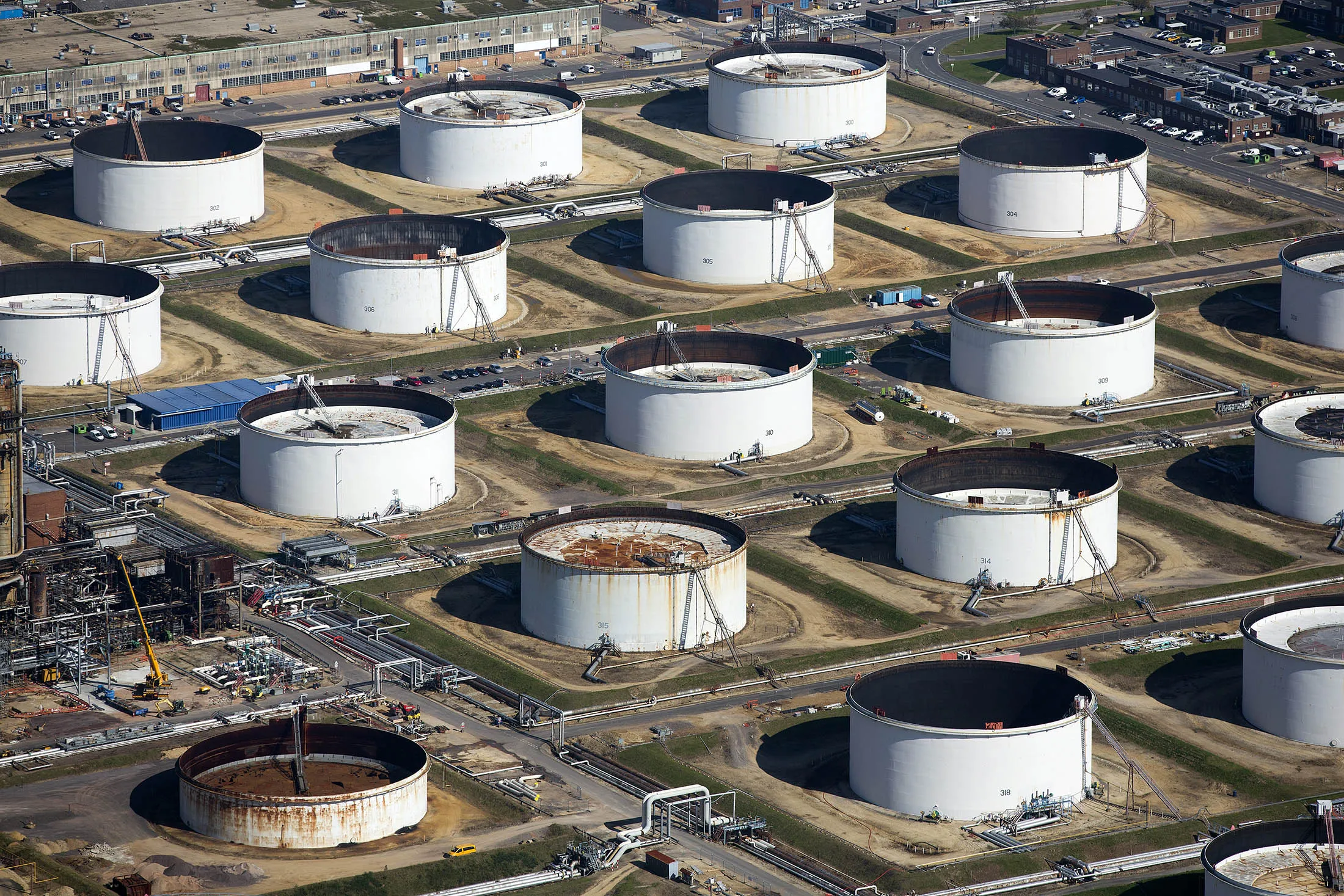
– Global oil inventories have fluctuated in recent months, with the latest IEA and EIA weekly reports showing notable shifts in storage levels.
Primary Drivers of Oil Price Movements (Supply and Demand Fundamentals)
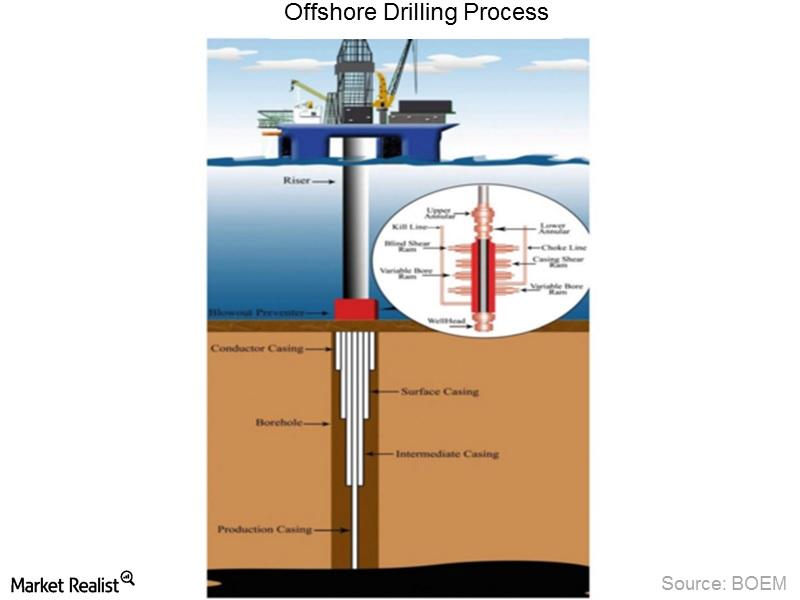
Supply-Side Factors
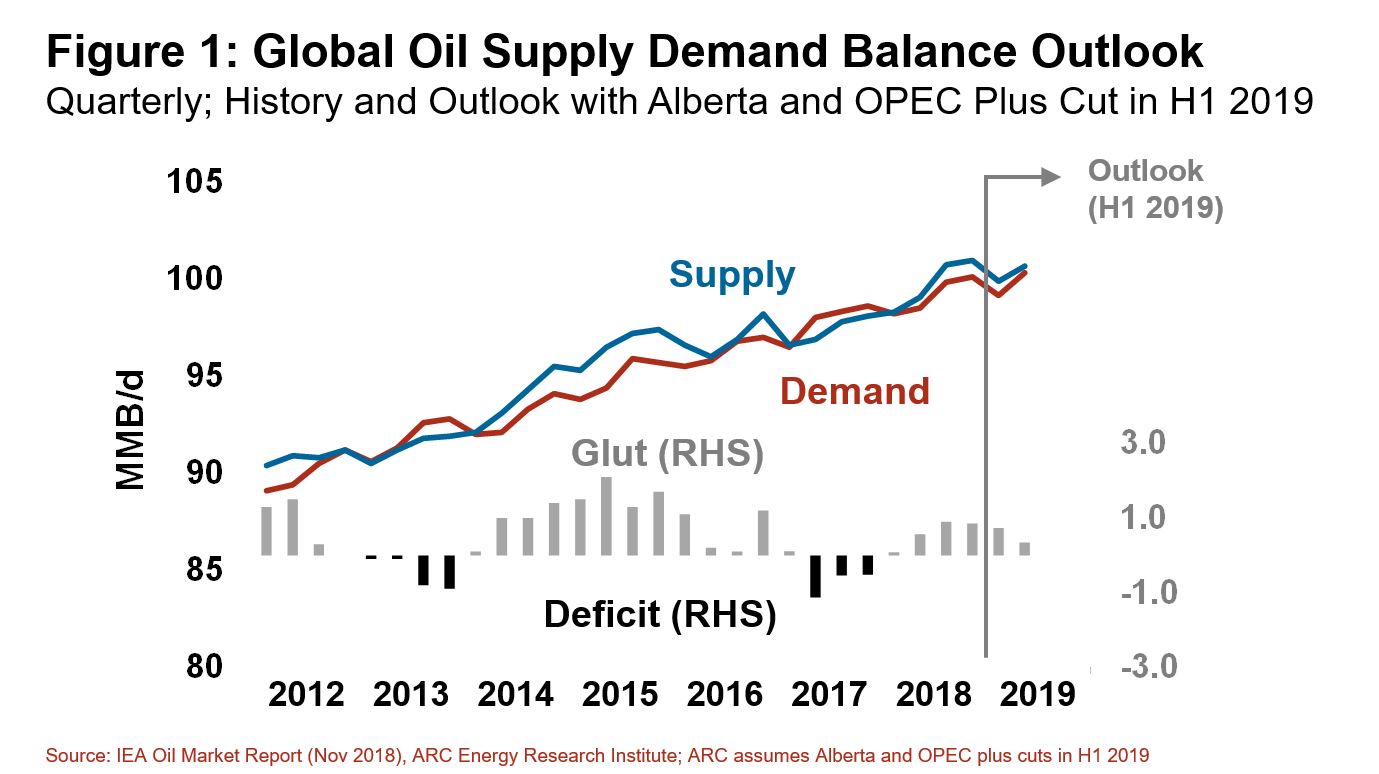
– OPEC+ production decisions and cartel compliance
Demand-Side Factors
– Global economic growth: industrial activity, transportation demand, and seasonal demand patterns
Geopolitics and Policy — Amplifiers of Volatility
– Major geopolitical flashpoints: Middle East tensions and Russia-Ukraine implications raise risk premia on oil.
Scenarios for the Near- to Medium-Term Outlook
Each scenario lists likely triggers, expected price ranges, and duration.
Scenario A — Continued Rise
– Triggers: Sustained OPEC+ restraint, supply disruptions (conflict or sanctions), faster-than-expected demand recovery.
Scenario B — Stabilization
– Triggers: Balanced OPEC+ production versus demand, stable macro growth, effective SPR or inventory releases.
Scenario C — Renewed Volatility and Oscillation
– Triggers: Mixed economic signals, intermittent outages, geopolitical tit-for-tat measures, or sudden demand shocks.
Leading Indicators to Watch (Actionable Signals)
– Weekly EIA/IEA inventory reports: changes signal supply/demand balance shifts
Economic and Social Impacts of Rising vs. Stable Prices
For Consumers and Households
– Rising prices: Higher fuel bills, increased transportation and heating costs, negative real-income effects.
For Businesses
– Rising prices: Higher input costs for transport-intensive and energy-intensive industries, squeezed margins, possible pass-through to consumers.
For Governments and Policymakers
– Rising prices: Higher fiscal revenues for exporters, fiscal strain for importers, increased subsidy burdens.
Case Studies and Recent Examples
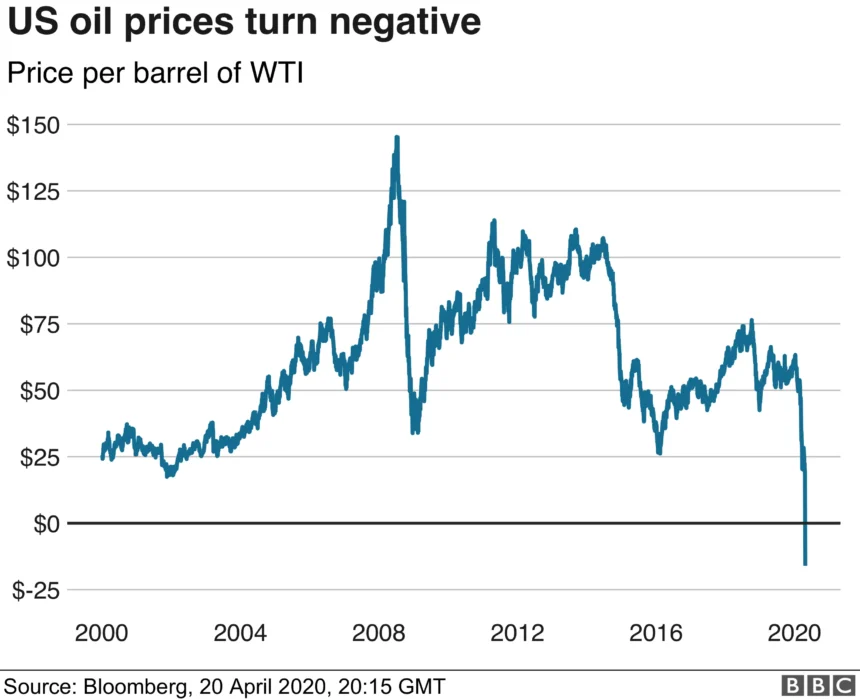
– Past price spikes and policy responses: The 2008, 2014, and 2020-21 episodes offer lessons about inventory management and market psychology.
Strategies for Different Stakeholders
For Households
– Fuel budgeting and efficiency: Adopt fuel-saving driving habits, maintain vehicles, consider public transport or carpooling.
For Businesses
– Hedging and procurement strategies: Use futures and options to lock in prices; diversify suppliers and logistics routes.
For Investors
– Diversification across energy sectors: Upstream, midstream, renewables, and services.
For Policymakers
– Targeted fiscal support: Protect vulnerable households when prices spike.
SEO and Content Suggestions (Internal/External Linking & On-Page Elements)
Internal Link Suggestions (Anchor Text Examples)
– “Global energy updates” — link to WorldExis energy category page
External Authoritative Sources
– International Energy Agency (IEA) — https://www.iea.org/
Schema and Metadata Recommendations
– Use Article schema with fields: headline, datePublished, author, publisher, mainEntityOfPage.
Image and Accessibility Recommendations
– Suggested images: Global oil rig, oil tanker, OPEC meeting, gas pump price sign.
FAQs — Snappy Answers for Featured Snippets
Q: What causes oil prices to rise quickly?
A: Sudden supply disruptions (conflicts, sanctions), coordinated production cuts, and rapid demand rebounds cause quick price spikes.
Q: Can central banks influence oil prices?
A: Indirectly. Interest-rate moves and currency fluctuations affect demand and investment; a stronger dollar usually exerts downward pressure on oil priced in USD.
Q: How long do oil price shocks typically last?
A: It varies: short shocks can last weeks; structural imbalances (underinvestment, prolonged conflict) can push high prices for months or years.
Q: Will renewable energy make oil irrelevant?
A: Not soon. Renewables and electrification reduce long-term oil intensity, but oil remains central for transportation and petrochemicals for at least the next decade.
Key Takeaways — What to Remember
– Multiple forces (supply, demand, geopolitics, macro) interact to determine oil prices.
Conclusion — What’s Your View? Join the Conversation
The path of oil prices depends on a complex mix of structural and cyclical factors. While a sustained rise is possible if supply constraints and geopolitical risks intensify, stabilization will be achievable if production responds, inventories rebuild, and demand growth moderates. What’s your opinion on this global crisis? Do you think oil prices will keep rising or stabilize soon? Share your thoughts in the comments and stay connected with WorldExis for more simple world news updates.
—
Social Sharing Optimization
– Suggested tweet: “Will oil prices keep rising or stabilize soon? Read this expert breakdown of drivers, scenarios, and what it means for you — then share your view with WorldExis. [link]”
Author Note and Credibility Indicators
– Author: WorldExis Energy Desk (The WorldExis Energy Desk provides timely, data-driven analysis on global energy markets.)
Call to Action
– Subscribe to the WorldExis newsletter for weekly energy market briefings.
—
This article is designed to be publication-ready, SEO-optimized, and immediately usable on WorldExis. Share your perspective in the comments: Do you think oil prices will keep rising or stabilize soon? Stay connected with WorldExis for more simple world news updates.