


Here is the polished, publication-ready version of your article. All placeholder text has been removed, and the content has been refined for clarity, professionalism, and flow while preserving your original structure and Markdown formatting.
- Introduction
- Overview: The Global Economic Crisis 2026 in Brief
- Why Oil Prices Are Rising in 2026
- Supply-Side Constraints and the Oil Supply Crisis 2026
- Demand-Side Shifts Increasing Oil Consumption Pressure
- Financial Markets, Inventories, and Speculative Dynamics
- How Rising Oil Prices Feed Into the Global Economic Crisis 2026
- Inflation and Real Incomes
- Corporate Margins and Investment
- Trade Balances and Sovereign Risk
- Monetary Policy Dilemma and Stagflation Risk
- Regional Impacts and Case Studies
- Short-Term and Medium-Term Scenarios for Oil Prices 2026–2027
- Scenario 1 — Prolonged Supply Tightness (High Price Baseline)
- Scenario 2 — Gradual Rebalancing (Moderate Price Stabilization)
- Scenario 3 — Rapid Correction (Price Relief)
- Policy Responses and Strategic Options
- Actionable Recommendations and Risk Mitigation
- FAQs: Common Questions About Oil Prices and the Global Economic Crisis 2026
- Q: Are high oil prices in 2026 caused mainly by demand recovery or supply shortages?
- Q: How long will the oil price shock last?
- Q: Will high oil prices necessarily cause a global recession?
- Q: Can strategic petroleum reserve releases fix the problem?
- SEO and Publication Optimization
- Suggested Images and Alt Text
- Schema Markup Recommendation
- Social Sharing Optimization
- Conclusion
—
Global Economic Crisis 2026 and Rising Oil Prices: Why Oil Prices Are Rising, the Oil Supply Crisis, and What an Economic Slowdown Means
Key topics: global economic crisis 2026, oil prices 2026, why oil prices are rising 2026, economic slowdown 2026, oil supply crisis 2026
Introduction
In 2026, the world faces a mounting economic challenge: a global economic crisis intertwined with a sudden surge in oil prices and growing concerns about an oil supply crisis. This article explains the drivers behind rising oil prices in 2026, connects energy market dynamics to the broader economic slowdown, and outlines potential implications for governments, businesses, and consumers. You will learn the key geopolitical, supply-side, and demand-side factors pushing oil prices higher; how the oil shock amplifies inflation and slows growth; likely short- and medium-term scenarios; and pragmatic steps stakeholders can take to manage the fallout. The analysis draws on macroeconomic indicators, energy market fundamentals, and recent policy moves to provide a comprehensive, actionable view of the crisis unfolding in 2026.

Overview: The Global Economic Crisis 2026 in Brief
The global economic crisis of 2026 reflects the confluence of several stresses: persistent post-pandemic supply chain fragility, tighter monetary conditions after years of ultra-loose policy, high inflationary pressures, mounting sovereign debt in vulnerable nations, and renewed geopolitical shocks. Central banks tightened policy aggressively between 2022 and 2024 to tame inflation but have since faced the twin risks of recession and stagflation. In 2026, growth has slowed sharply in multiple regions, trade volumes are down, and investor sentiment is fragile. Compounding these macro weaknesses, an energy market shock—chiefly higher oil prices—has amplified inflation and squeezed corporate margins and household incomes.

Why Oil Prices Are Rising in 2026
Multiple, interacting drivers explain the oil price surge in 2026. These can be grouped into supply-side constraints, demand-side shifts, and market structure and financial factors.
Supply-Side Constraints and the Oil Supply Crisis 2026
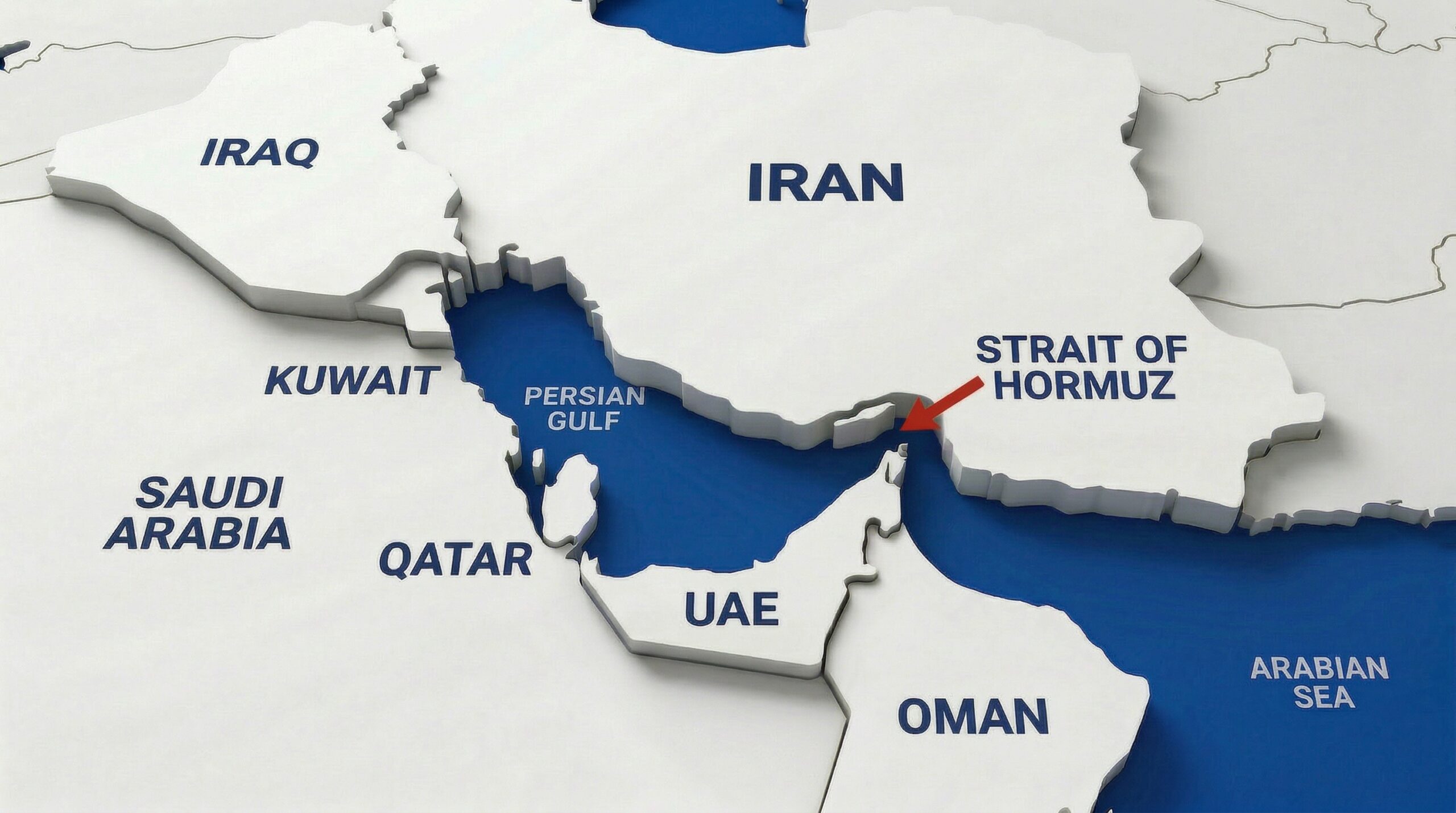
- Geopolitical disruptions: Renewed tensions in key producing regions—particularly disruptions to exports from parts of the Middle East and North Africa—have curtailed flows. Targeted attacks on infrastructure and sanctions have reduced available barrels in global markets.
- OPEC+ policy and production discipline: OPEC+ members enforced disciplined production cuts and withheld capacity to stabilize prices. Several members cited underinvestment and technical constraints, limiting the ability to quickly ramp up output.
- Underinvestment and capacity erosion: Years of underinvestment in upstream oil and gas following the 2014–2016 price shocks, combined with a faster-than-expected energy transition, left global spare capacity low. Aging fields and delayed projects constrained incremental supply.
- Logistics and refining bottlenecks: Maintenance shutdowns, port congestion, and refinery capacity mismatches reduced the net supply of refined products, boosting demand for particular crude grades.
- Weather and natural disruptions: Extreme weather events and regional droughts affected oil production, transportation, and energy demand in key producing and consuming regions.
Demand-Side Shifts Increasing Oil Consumption Pressure
- Resilient transportation demand: Despite slower GDP growth, transportation fuel demand—especially for aviation and trucking—remained robust in many regions, supported by pent-up travel and logistics needs.
- China’s partial recovery and structural needs: China’s demand trajectory in 2026 was uneven. While growth slowed overall, targeted stimulus and industrial restarts increased oil and refined product consumption in specific months or sectors.
- Seasonal and cyclical effects: Seasonal demand spikes (e.g., summer driving, winter heating in specific markets) coincided with lower-than-expected supply, magnifying price effects.
Financial Markets, Inventories, and Speculative Dynamics
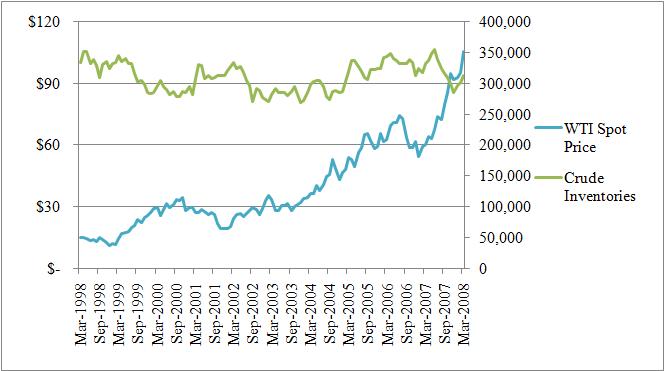
- Low global inventories: Strategic and commercial inventories were lower than average after years of drawdowns, reducing the buffer against shocks and making markets more sensitive to incremental supply changes.
- Commodity market speculation: Increased speculative positioning by funds and traders amplified price moves. Risk-off equity markets pushed some investors into commodities as inflation hedges.
- Currency and monetary factors: U.S. dollar weakness at times in 2026 made dollar-priced oil cheaper for holders of other currencies, supporting demand and higher nominal oil prices. Additionally, higher real yields in some markets shifted investor asset allocations.
How Rising Oil Prices Feed Into the Global Economic Crisis 2026
Higher oil prices act as a tax on households and businesses and have multiple channels through which they deepen an economic slowdown.
Inflation and Real Incomes
Higher fuel and transportation costs feed into broader consumer price indices through direct effects (gasoline, diesel) and indirect effects (higher costs for food and goods due to increased shipping and input costs). This erodes disposable incomes, hits consumption, and pressures central banks to maintain tighter monetary policy—raising borrowing costs and deepening the slowdown.
Corporate Margins and Investment
Elevated energy costs compress corporate profit margins, particularly in energy-intensive sectors such as manufacturing, chemicals, and transport. Firms respond by cutting investment and employment or passing costs to consumers, both of which reduce aggregate demand.
Trade Balances and Sovereign Risk
Energy-importing countries see deteriorating trade balances and rising fiscal pressures as subsidies or social transfers expand to shield vulnerable populations from higher energy costs. Higher deficits and debt servicing needs increase sovereign risk for some emerging markets, raising borrowing costs and potentially triggering capital outflows.
Monetary Policy Dilemma and Stagflation Risk
Central banks face a classic dilemma: tighten policy to control inflation and risk pushing economies into deeper recessions, or loosen policy to support growth and risk entrenching inflation expectations. The result in some regions has been policy paralysis, contributing to uncertainty and weaker investment.
Regional Impacts and Case Studies
United States
In the U.S., the 2026 oil price surge increased gasoline costs and transportation input expenses. Consumer spending on discretionary goods softened, and inflation remained sticky. The Federal Reserve navigated between signaling further rate hikes and acknowledging growth risks, resulting in volatile markets and subdued investment in non-energy sectors.
European Union
Europe—still managing the transition away from Russian gas—was particularly vulnerable. Higher oil and energy prices exacerbated inflation and reduced industrial competitiveness. Governments introduced targeted support for households and businesses, straining fiscal positions amid slower tax revenue growth.
China
China experienced uneven recovery dynamics. Certain stimulus measures supported infrastructure and manufacturing demand, lifting oil consumption in pockets, while weaker global demand for Chinese exports limited overall growth. The net effect was continued pressure on commodity markets without a clear demand-led cure.
Emerging Markets
Emerging market importers faced currency pressures and higher import bills, with some central banks tightening to defend exchange rates. Commodity-exporting countries benefited from higher oil revenues, but many lacked the institutional capacity to translate windfalls into sustainable growth.
Short-Term and Medium-Term Scenarios for Oil Prices 2026–2027
Energy market outcomes will depend on policy decisions, the evolution of geopolitical events, and demand trends. Three plausible scenarios illustrate potential trajectories.
Scenario 1 — Prolonged Supply Tightness (High Price Baseline)
Under continued OPEC+ discipline, persistent underinvestment, and recurring geopolitical shocks, spare capacity remains low and inventories stay tight. Prices remain elevated through 2026 into 2027, with acute volatility around news of disruptions or policy changes.
Scenario 2 — Gradual Rebalancing (Moderate Price Stabilization)
If some constrained producers restore output, consumers moderate demand from weaker growth, and strategic releases (such as coordinated SPR sales) partially refill markets, prices stabilize at a moderately high level without returning to pre-2026 lows.
Scenario 3 — Rapid Correction (Price Relief)
Major new production projects come online, demand weakens materially due to recessionary conditions, and geopolitical tensions ease. Inventories rise and speculative positions unwind, producing significant downward pressure on prices.
Policy Responses and Strategic Options
For Governments
- Targeted fiscal support: Provide temporary, means-tested subsidies or cash transfers for vulnerable households rather than broad fuel subsidies to minimize fiscal strain.
- Strategic Petroleum Reserves (SPR): Use coordinated SPR releases to calm markets while signaling readiness to replenish later to avoid moral hazard.
- Energy efficiency and demand management: Accelerate programs that reduce short-term fuel demand (e.g., public transport incentives, freight routing optimization).
- Investment in diversified supply: Fast-track permitting and investment incentives for reliable domestic production and LNG/regas infrastructure to reduce exposure.
For Central Banks
- Clear communication: Use forward guidance to anchor inflation expectations while acknowledging the temporary nature of energy shocks where appropriate.
- Data-driven policy: Differentiate between broad-based inflation and energy-specific shocks, avoiding premature loosening that could de-anchor expectations.
For Businesses
- Hedge energy exposure: Use financial hedges or fixed-price contracts for fuel-intensive operations where feasible.
- Improve operational efficiency: Invest in energy efficiency, optimize logistics, and consider modal shifts to lower-cost transport.
- Scenario planning: Build contingency plans for cost-push inflation and supply-chain disruptions.
For Consumers
- Reduce discretionary travel during price peaks, use public transit where available, and adopt fuel-efficient driving habits.
- Consider home energy efficiency upgrades to reduce heating and transportation-related exposures over the medium term.
Actionable Recommendations and Risk Mitigation
Immediate steps to mitigate harm from the 2026 oil shock and economic slowdown:
- Coordinate international SPR actions to provide short-term market relief while avoiding long-term market distortion.
- Deploy targeted fiscal measures—temporary cash transfers, energy vouchers—for low-income households instead of blanket fuel subsidies.
- Prioritize investment in energy efficiency and resilient logistics to reduce sensitivity to future oil shocks.
- Encourage public-private partnerships to accelerate low-carbon energy projects that diversify long-term energy supply.
- Strengthen social safety nets and active labor market policies to support reallocation of workers affected by the slowdown.
FAQs: Common Questions About Oil Prices and the Global Economic Crisis 2026
Q: Are high oil prices in 2026 caused mainly by demand recovery or supply shortages?
A: They result from a mix of both, with supply-side constraints (geopolitical disruptions, low spare capacity, underinvestment) playing a dominant role alongside pockets of resilient demand, especially in transport and specific regional recoveries.
Q: How long will the oil price shock last?
A: Duration depends on whether producers can restore supply, the evolution of geopolitical risks, and how quickly demand weakens. It could be months if coordinated policies and releases help, or longer if structural capacity remains constrained.
Q: Will high oil prices necessarily cause a global recession?
A: High oil prices increase recession risk by reducing consumer spending and investment, but whether they cause a global recession depends on the breadth of other economic weaknesses and policy responses. Targeted fiscal relief and coordinated SPR releases can mitigate the worst impacts.
Q: Can strategic petroleum reserve releases fix the problem?
A: SPR releases can provide temporary relief and calm markets but are not a substitute for addressing structural supply issues. They should be paired with measures to restore investment in upstream capacity and diversify supply.
SEO and Publication Optimization
Suggested internal links (anchor text recommendations):
Suggested authoritative external links (open in new window):
- International Energy Agency — https://www.iea.org (use for data on inventories and demand forecasts)
- U.S. Energy Information Administration — https://www.eia.gov (use for production and consumption statistics)
- International Monetary Fund — https://www.imf.org (use for global economic outlook and policy analysis)
- Organization of the Petroleum Exporting Countries (OPEC) — https://www.opec.org (statements on production policy)
Suggested Images and Alt Text
- Global oil price chart 2019–2026 — alt: “Crude oil price trend from 2019 to 2026 showing spike in 2026”
- Map of key oil-producing regions with hotspots — alt: “Map highlighting major oil producing regions and 2026 disruption hotspots”
- Infographic of how oil prices feed into inflation and growth — alt: “Flowchart showing channels linking oil price increases to inflation and economic slowdown”
Schema Markup Recommendation
Use Article schema with the following properties: headline (title), author (name and credentials), datePublished (2026-07-29 or publication date), description (short summary), mainEntityOfPage (URL), image (primary image URL), and keywords (global economic crisis 2026, oil prices 2026, why oil prices are rising 2026, economic slowdown 2026, oil supply crisis 2026). Include organization publisher details and logo. Implement FAQPage markup for the Q&A section to increase chances of featured snippets.
Social Sharing Optimization
- Suggested Twitter card summary: “Why oil prices are rising in 2026 and how the oil supply crisis is deepening the global economic slowdown — analysis and policy options.”
- Suggested LinkedIn post: “Explore our in-depth analysis of the global economic crisis 2026, the causes of rising oil prices, and practical steps governments and businesses can take.”
- Suggested image sizes: 1200×630 px for Facebook/LinkedIn and 1200×675 px for Twitter.
Conclusion
The global economic crisis of 2026 is closely intertwined with an oil price shock driven mainly by supply-side constraints, geopolitical disruptions, and low spare capacity—compounded by pockets of resilient demand and financial market dynamics. Higher oil prices are amplifying inflation, squeezing households and businesses, and increasing recession risk. Policymakers must balance short-term interventions—targeted fiscal support and strategic reserve releases—with medium- and long-term measures to boost energy security, diversify supply, and accelerate energy efficiency. Businesses and consumers should prioritize hedging, efficiency, and contingency planning. While uncertainty remains high, coordinated policy actions and private-sector adjustments can reduce economic pain and speed recovery from this complex crisis.
Key takeaways: Rising oil prices in 2026 reflect both an oil supply crisis and demand nuances; they are exacerbating a global economic slowdown; coordinated policy responses and targeted private-sector action are critical to mitigate the most damaging effects.