


- Introduction
- Why remote teams need different systems than co-located teams
- Hiring and onboarding remote employees
- Communication norms and cadence
- Tools and tech stack that scale with remote teams
- Processes to maintain productivity and accountability
- Culture, engagement, and retention in a distributed organization
- Performance management and career growth remotely
- Security, compliance, and remote work policies
- Measuring success: metrics for remote team performance
- Common pitfalls and how to avoid them
- Sample 30/60/90-day remote onboarding plan
- Internal and external linking recommendations
- Accessibility and SEO considerations
- Frequently asked questions (FAQ)
- Call to action and next steps
- Conclusion
How to Build a High-Performing Remote Team: Strategies, Tools, and Best Practices
Introduction
Remote work is no longer a temporary experiment — it’s a strategic advantage. Companies that design high-performing remote teams unlock access to global talent, reduce overhead, and often achieve higher employee satisfaction and productivity. Yet building and sustaining a remote team that performs consistently requires more than sending people home with laptops. It demands intentional hiring, thoughtful onboarding, clear communication practices, the right technology stack, and a culture that supports autonomy and accountability.
In this article you will learn proven strategies for recruiting and hiring remote talent, onboarding new team members for rapid contribution, establishing communication and collaboration norms, selecting tools that scale, measuring productivity and outcomes, and maintaining engagement and career growth in a distributed environment. Whether you’re a founder launching your first remote team or a people leader optimizing an established one, this guide provides actionable steps, examples, and checklists to help you create a remote organization that thrives.
Why remote teams need different systems than co-located teams
Traditional office practices assume proximity: ad-hoc hallway conversations, visible manager oversight, and synchronous meetings. Remote teams succeed when processes are explicit and asynchronous work is embraced.
Key differences to address:
- Communication must be written and searchable. Information should be documented and easily retrievable by anyone, at any time.
- Outcomes matter more than face time. Performance is measured by deliverables and impact, not by hours logged or visibility.
- Onboarding requires deliberate knowledge transfer. Institutional knowledge must be systematically shared, not absorbed through osmosis.
- Cultural signals must be intentionally transmitted. Company values and norms need to be actively communicated and reinforced.
- Autonomy and self-direction: Look for past examples where candidates worked independently and managed their own priorities.
- Written communication skills: Assess clarity and effectiveness in email, chat, and documentation samples.
- Cultural fit and psychological safety: Seek candidates who demonstrate a willingness to raise issues and ask for help.
- Timezone and overlap: Aim for 3–4 hours of daily overlap for collaboration-heavy roles to enable real-time interaction.
- Create role-specific home-working tests that reflect real tasks the candidate will perform.
- Use structured interviews with scoring rubrics to reduce bias and ensure consistency.
- Include a sample collaborative session (like a pairing exercise or group discussion) to assess remote communication skills in real-time.
- Pre-start setup: Ship equipment, set up accounts, and send a clear schedule for week one.
- Day 1 welcome: Host a video call with the manager, facilitate team introductions, and provide a tour of key documentation.
- Week 1 goals: Assign small, measurable tasks to complete with dedicated mentorship.
- 30/60/90 plan: Establish clear milestones for skill acquisition, responsibility, and growing autonomy.
- Day 0: Send hardware, logins, and the employee handbook.
- Day 1: Host a team video meet-and-greet and review role expectations.
- Days 2–5: Schedule shadowing sessions, assign the first ticket or project, and ask the new hire to update one piece of documentation.
- Preserves institutional knowledge for future reference.
- Enables asynchronous work across different time zones.
- Reduces reliance on individual memory and meeting attendance.
- Use permanent channels (like a wiki or shared docs) for all final decisions and policies.
- Use chat for quick coordination, but never for making or archiving critical decisions.
- Summarize every meeting in written notes with clear action items and owners.
- Always have clear agendas and strict timeboxes.
- Circulate pre-read materials and desired outcomes at least 24 hours in advance.
- Assign a facilitator to guide the discussion and a note-taker to document key points.
- End with decisions and next steps clearly documented and shared.
- Daily asynchronous standup (written): Team shares daily highlights, blockers, and priorities via a shared channel or tool.
- Weekly team review: Synchronous meeting to review progress, discuss metrics, and address blockers.
- Monthly all-hands: Company-wide meeting to discuss strategy, celebrate wins, and host a live Q&A.
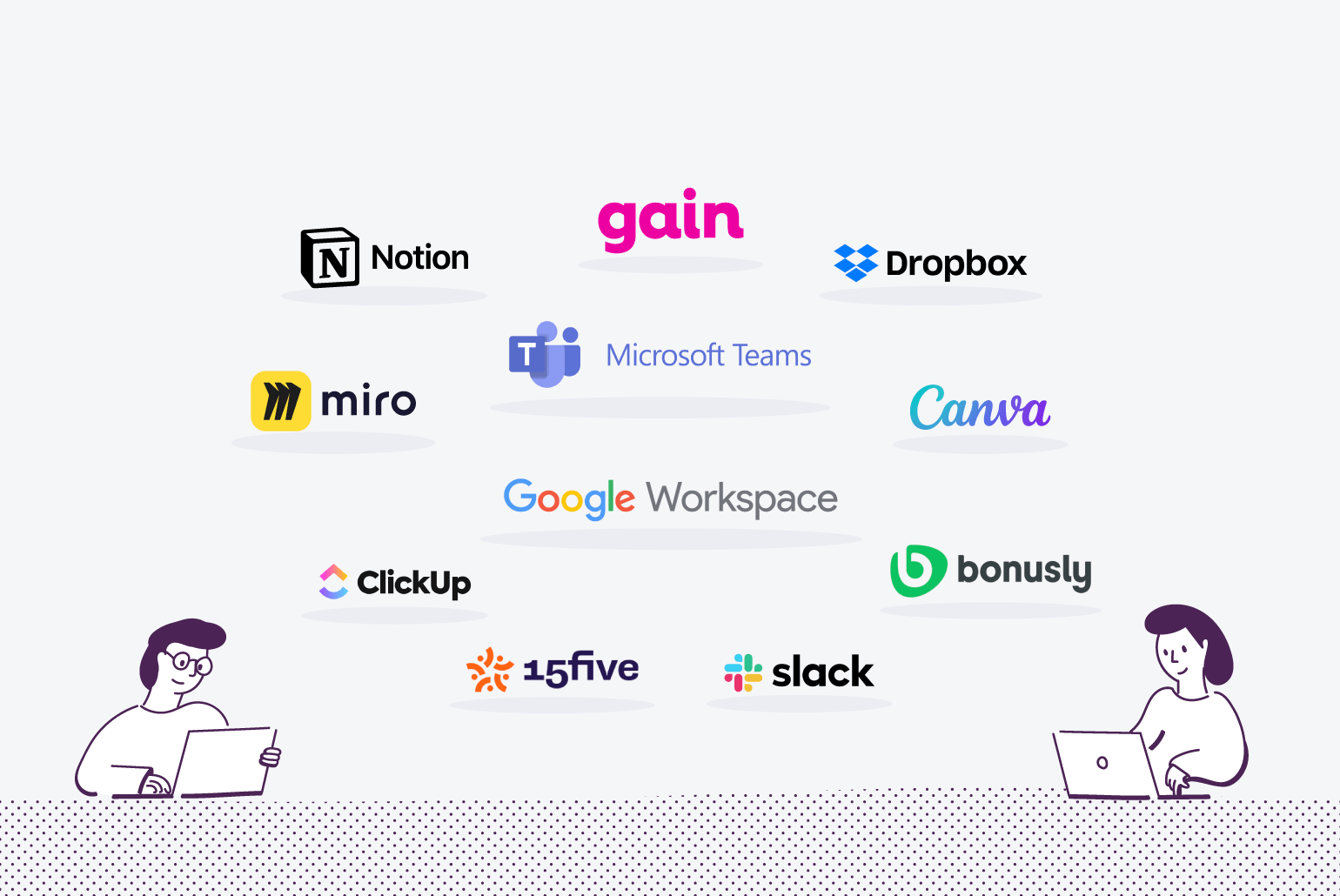
- Communication: Slack, Microsoft Teams (for real-time chat).
- Documentation & knowledge base: Notion, Confluence, Google Docs.
- Project & task management: Jira, Asana, Trello, Linear.
- Video conferencing: Zoom, Google Meet.
- Remote collaboration/whiteboard: Miro, FigJam.
- Timezone & scheduling: World Time Buddy, Calendly.
- Security & access management: 1Password, Okta, Google Workspace.
- Limit the number of apps; prefer depth and mastery over breadth.
- Integrate tools to reduce duplicate updates (e.g., connect Jira to Slack for notifications).
- Ensure all documentation is searchable and centralized.
- Provide formal training and enforce consistent usage patterns across the team.
- Define team OKRs and connect them directly to individual goals.
- Use measurable KPIs like cycle time, feature throughput, and customer satisfaction scores.
- Conduct regular one-on-one meetings to align priorities, provide support, and unblock work.
- Use issue trackers with clear, universally understood status definitions.
- Document full context for tasks: include acceptance criteria, key stakeholders, and dependencies.
- Adopt an “async-first” decision process with a defined TTL (time-to-live) for responses before moving forward.
- Facilitate virtual coffee chats or create interest-based Slack channels to foster personal connections.
- Host quarterly virtual retreats or periodic in-person meetups when possible.
- Establish recognition rituals: public shout-outs in team channels, peer-nominated awards.
- Offer professional development stipends and create clear, transparent career paths.
- Encourage continuous feedback via peer reviews and regular manager check-ins.
- Support assessments with data: project delivery metrics, customer outcome scores, code quality indicators.
- Enforce Multi-Factor Authentication (MFA) and mandate the use of secure password managers.
- Use VPNs or Zero Trust network access for sensitive systems.
- Define clear data handling policies and provide regular security training.
- Clear expectations for home-office setup, ergonomics, and acceptable workspaces.
- Expense policies for equipment and internet reimbursements.
- Guidelines for off-hours communication to protect work-life boundaries.
- Output: Features delivered, bug fixes completed, average time to resolution.
- Process: Cycle time, PR review times, meeting-to-focused-work ratio.
- Engagement: Employee Net Promoter Score (eNPS), voluntary turnover rate, participation rates in reviews and learning.
- Invisible work: Track all work in shared systems and create rituals to recognize non-ticketed contributions.
- Poor onboarding: Create a consistent, detailed onboarding program with assigned mentors and clear checklists.
- Tool sprawl: Regularly audit and consolidate tools, enforcing clear usage norms.
- Burnout: Actively encourage boundaries, monitor team workload, and offer mental health resources and support.
- 60 days: Take ownership of a recurring process or report, present a retrospective on initial work.
- 90 days: Lead a project end-to-end, mentor a newer hire, propose and document one process improvement.
- “Remote Work Policy Template“
- “Onboarding Checklist for New Hires“
- “Team Meeting Agenda Templates“
- Research on remote work productivity from Harvard Business Review.
- Remote job market and workforce trends from Gallup or McKinsey.
- Security best practices from the NIST guidelines on remote access.
- Optimize for long-tail search queries: “how to onboard remote employees,” “remote team communication best practices,” “tools for distributed teams.”
- Include concise FAQ-style answers to capture voice search queries.
- Audit your current processes: Identify gaps in meetings, tools, and documentation.
- Create a template: Develop a 30/60/90-day onboarding template and publish it internally.
- Run a pilot: Launch an async-first communication policy with one team and measure the results.
- LinkedIn: “Remote teams scale when outcomes and communication are explicit. Our new guide covers hiring, onboarding, tooling, and metrics to help leaders build distributed teams that thrive.”
- Hero Image Alt Text: “Diverse remote team on a video call discussing project updates.”
- Checklist Image Alt Text: “Remote onboarding checklist with 30/60/90 milestones.”
- Linking: Internal links open in the same window. External links to authoritative sources should include
rel="noopener noreferrer"and open in a new window.
Hiring and onboarding remote employees
Hire for autonomy, communication, and timezone fit
Hiring remotely is both broader and more complex. Beyond technical skills, prioritize:
Practical steps:
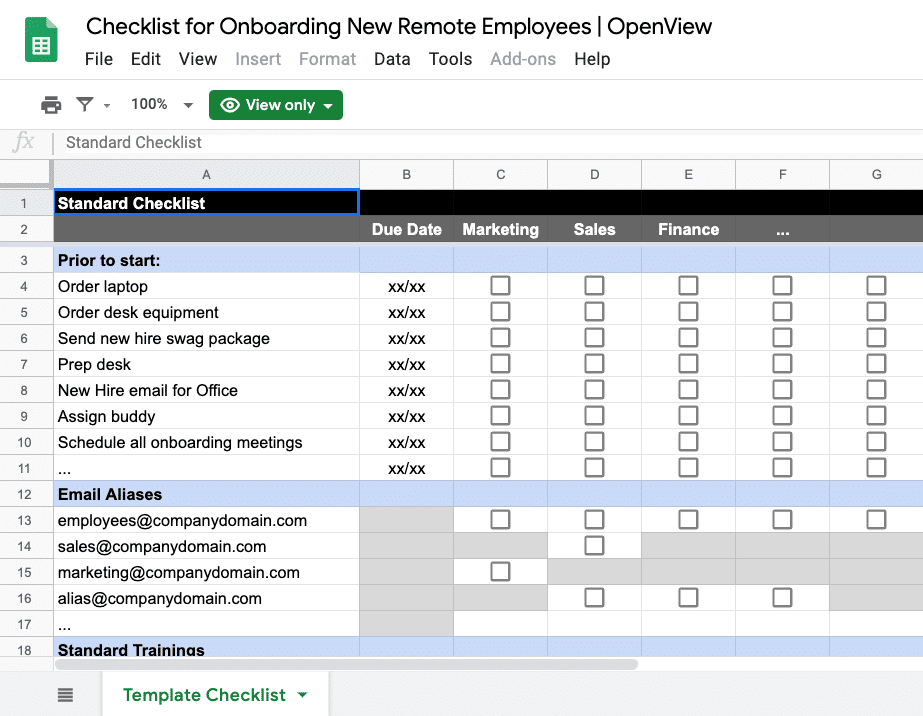
Onboarding checklist for remote hires
A structured onboarding process significantly reduces time to first contribution. Provide:
Onboarding example (first week):

Communication norms and cadence
Build a written-first culture
Make writing the primary method for sharing decisions and context. Benefits include:
Guidelines:
Meeting best practices for remote teams
Remote meetings should be purposeful, inclusive, and efficient.
Suggested meeting cadence:
Tools and tech stack that scale with remote teams
Selecting tools is about reducing cognitive overhead and creating a single source of truth.
Essential categories:
Tool selection tips:
Processes to maintain productivity and accountability
Focus on outcomes, not inputs
Shift performance evaluation to deliverables and impact.
Asynchronous workflows
Design workflows that allow teammates to move forward without requiring synchronous alignment.
Culture, engagement, and retention in a distributed organization
Remote work does not mean isolated work. Culture must be cultivated deliberately.
Practical culture-building activities:
Case example: A mid-sized SaaS company reduced voluntary turnover by 18% after instituting monthly feedback rituals, providing manager training on remote leadership, and publishing a clear promotion framework tied to remote-friendly competencies.
Performance management and career growth remotely
Transparent promotion criteria
Remote employees need clear, observable career ladders. Publish the specific competencies and evidence required for promotion (e.g., ownership of X projects, documented mentorship hours, measurable impact on a key metric).
Regular feedback loops
– Conduct quarterly performance reviews focused on outcomes and professional growth.
Security, compliance, and remote work policies
Security is a non-negotiable part of remote operations.
Remote policy essentials:
Measuring success: metrics for remote team performance
Track a balanced mix of output, process, and engagement metrics:
Dashboard example: Track weekly sprint velocity, average PR review time, quarterly eNPS score, and customer satisfaction (CSAT) trends.
Common pitfalls and how to avoid them
– Overmeetification: Replace unnecessary meetings with async updates and concise written status notes.
Sample 30/60/90-day remote onboarding plan
– 30 days: Complete all setup, meet cross-functional teammates, successfully deliver first small project or ticket.
Internal and external linking recommendations
Internal links to include on a company blog or resource hub:
External authoritative links to suggest:
Accessibility and SEO considerations
– Use clear heading hierarchy and descriptive alt text for all images.
Frequently asked questions (FAQ)
Q: How many meetings should a remote team have each week?
A: Keep synchronous meetings to a necessary minimum. Aim for a weekly team sync, regular one-on-ones, and role-specific planning sessions. Replace daily status meetings with written asynchronous standups.
Q: How do you measure productivity remotely?
A: Use a combination of outcome-based metrics (deliverables, cycle time) and engagement indicators (eNPS). Avoid relying on activity monitoring or time-tracking as the sole measure of productivity.
Q: Should remote teams be global or regional?
A: It depends on your hiring strategy and business needs. Global teams increase talent access but require stronger asynchronous processes. Regional teams simplify timezone overlap and can ease cultural alignment.
Call to action and next steps
To start building a high-performing remote team today:
Conclusion
Creating a high-performing remote team requires deliberate systems: hiring for autonomy and communication, structured onboarding, a written-first culture, the right integrated tools, and measurable outcome-based management. With these elements in place, organizations can harness the full benefits of remote work—greater talent access, higher retention, and improved productivity—while avoiding common pitfalls like burnout and misaligned expectations. Start small, iterate based on feedback, and prioritize clarity above all: when expectations, documentation, and measurements are explicit, remote teams consistently outperform.
*
Written by an experienced remote-work strategist with practical experience implementing distributed-team systems across tech and SaaS organizations.
Social Sharing Suggestions
– Twitter/X: “Building a high-performing remote team? Start with hiring for autonomy, a written-first culture, and a consistent 30/60/90 onboarding plan.”
Publication Notes
– Schema Markup: Use Article schema with headline, author, datePublished, description, and mainEntityOfPage properties.