

1. Smartwatches
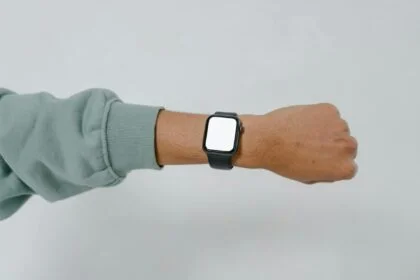
Smartwatches are really making wrist watches with technology popular. The Smartwatches are changing the way we think about watches. People like Smartwatches because they can do a lot of things that a regular watch cannot do. Smartwatches are making other companies want to make Smartwatches. The idea of Smartwatches is to make something that people can wear on their wrist and use like a computer. Smartwatches are the future of watches. People are excited about Smartwatches.
- 1. Smartwatches
- 2. Evolving Into Health-First, Intelligent Devices
- 3. Longer Battery Life & Power Innovations
- 4. Connectivity, AI Assistants & Ecosystem Integration
- 5. Accessibility, Sustainability & Repairability
- 6. Rising Competition from Smart Rings & Alternatives
- 7. Market Saturation & Consumer Fatigue
- 8. People’s Thoughts from the Field
- Final Verdict
Smartwatches are still the popular thing that people wear. By the year 20,25, Smartwatches will be the leader in the market because of ideas in Artificial Intelligence, with the ability to track your health and being able to connect to things easily. Smartwatches will have all these features that will make them very useful.
People are starting to use devices, but smartwatches are still really important when it comes to wearable technology trends. Smartwatches are what most people think of when they hear about tech trends. They are still the things that people are interested in.
2. Evolving Into Health-First, Intelligent Devices
Holistic Health Management
These days, smartwatches are really helpful for our health. They can find things that’re not quite right and let us know something might be wrong before it gets serious. They do more than just track how much we move around. Smartwatches are like a health buddy that looks out for us.
AI-Generated Health Twins
These computers that use intelligence to make models can create what is called a “health twin”. This health twin is like a copy of a person’s health. It can simulate what happens to a person’s body. Anticipate problems that might come up. This is really helpful for making sure people stay well. The models can supercharge the idea of wellness, which means taking care of each person’s health in a special way that is just for them. The artificial intelligence-enabled models and the health twins they create are very useful for wellness.
Inclusion in Clinical and Elder Care
Nowadays, smartwatches can do a lot of things to help us. Smartwatches can detect if we are in an emergency. Smartwatches can also send out alerts if we fall. Smartwatches can even keep an eye on chronic conditions that we may have. All of these things that smartwatches can do are really good for our health. This means that smartwatches will be able to do more things to help us with our healthcare in the future. Smartwatches are going to be a part of how we take care of our health.
3. Longer Battery Life & Power Innovations
Multi-Day Battery & Fast Charging
Expect 5–14-day battery life, fast charging (a full day’s power in 15 minutes), and even solar recharging capabilities.
Energy Harvesting Tech
Some devices harness solar or kinetic energy to extend charge cycles.
4. Connectivity, AI Assistants & Ecosystem Integration
Integrated AI Assistants (e.g., Gemini)
We have wearables now that have intelligence systems like Google’s Gemini. This means we can control them with our voice. We can also do lots of things at the same time, and we do not need to use our hands. The Google Gemini system is really good at helping us with this. We can use wearables with Google’s Gemini. It makes things very easy for us.
Smart Ecosystem Synergy
Smartwatches are not something you wear on your wrist anymore. They work with your car, the devices in your home, and even special reality platforms. This makes smartwatches a big part of your life, like a central spot that connects lots of things, er which is really cool. Smartwatches are really changing how we live and interact with the world around us. That is what makes them so interesting, these smartwatches.
5. Accessibility, Sustainability & Repairability
Repairable & Open-Source Designs
New smartwatches like the Google Pixel Watch 4 are really good because they can be fixed easily, which means we get to reduce the amount of waste from Google Pixel Watch 4. This is a thing about the Google Pixel Watch 4.
WIRED Open-source watches, as UNA and Pebble lead with user-upgradable and community-focused hardware.
Eco-Conscious Materials
These brand-new models really like to use metals. They also like to use plant-based straps. And they try to make things in a way that does not hurt the ear, so they use low-carbon production methods. Brand-new models are all about being kind to the earth. They use metals and plant-based straps and low-carbon production methods.
6. Rising Competition from Smart Rings & Alternatives
Smart Rings Gaining Traction
I like the Oura ring and the Samsung Galaxy Ring. These rings are really good at tracking our health without being too obvious. The Oura ring and the Samsung Galaxy Ring are going to be very popular. People think that by 2025, they will sell 2.5 million of the Oura ring and the Samsung Galaxy Ring. This is a lot of the Oura ring and the Samsung Galaxy Ring.
Emerging Alternatives
People are using devices like fitness bands that do not have screens, such as Polar Loop and smart rings. These devices, like fitness bands and smart rin, are changing what we think about smartwatches. They are especially good for people who like things and do not want to spend a lot of money. Devices, like fitness bands, are a way to think about smartwatches.
7. Market Saturation & Consumer Fatigue
In some places, like India, the number of smartwatches being shipped is going down a lot. It fell by 28.4% from the time last year. This is because people are getting tired of smartwatches, and the market is getting fu… People are still buying the expensive smartwatches that are good for their health and have artificial intelligence. These smartwatches are what people want to buy.
8. People’s Thoughts from the Field
We are seeing these things that tell us about health problems before we even feel sick. They have things like monitors that check our blood sugar all the time. Some trackers keep an eye on how stressed we are and if we are drinking enough water. These wearables are really cool because they have things like stress trackers and hydration trackers that help us stay healthy. We are seeing a lot of wearables that do this kind of thing, like blood glucose monitors.
— A tech-savvy Reddit user exploring predictive health features
Another notes the growing appeal of wearables for personalized health insights.
Summary Table: Smartwatches & What Lies Ahead
Innovation Area is really important because it helps us make things. Why It Matters is that people need ideas to make their lives better. For example, AI Health Insights can help us take care of our health. We can use it to move from checking how we are doing to actually predicting what will happen to our health. Battery & Charging is another area that needs innovation. If we have batteries that last a long time and can be filled up quickly, that means we have the freedom to use our devices whenever we want. Connectivity & Ecosystems are also very important. This is where our devices can talk to things like Internet of Things devices, smart homes, and cars.
Then there is Repairability & Sustainability. This is where we make things that are good for the earth and can be used for a time. We want things that are eco-friendly and user-friendly so they last longer. There are ways to do things, too, like Competing Formats. Some people like Rings and bands because they are simple and easy to use. Market Saturation is a problem. Not many people are buying new things now, especially the basic ones. However, people are still buying the good and expensive on, so that is still a strong area.
Final Verdict
Smartwatches aren’t fading—far from it. They’re evolving into intelligent, health-centric companions deeply woven into our digital lives. With advanced sensors, AI, sustainability, and connectivity, they still represent the heart of wearable tech—though their future may coexist with, not be replaced by, smart rings and other discreet wearables.